
The Footprints
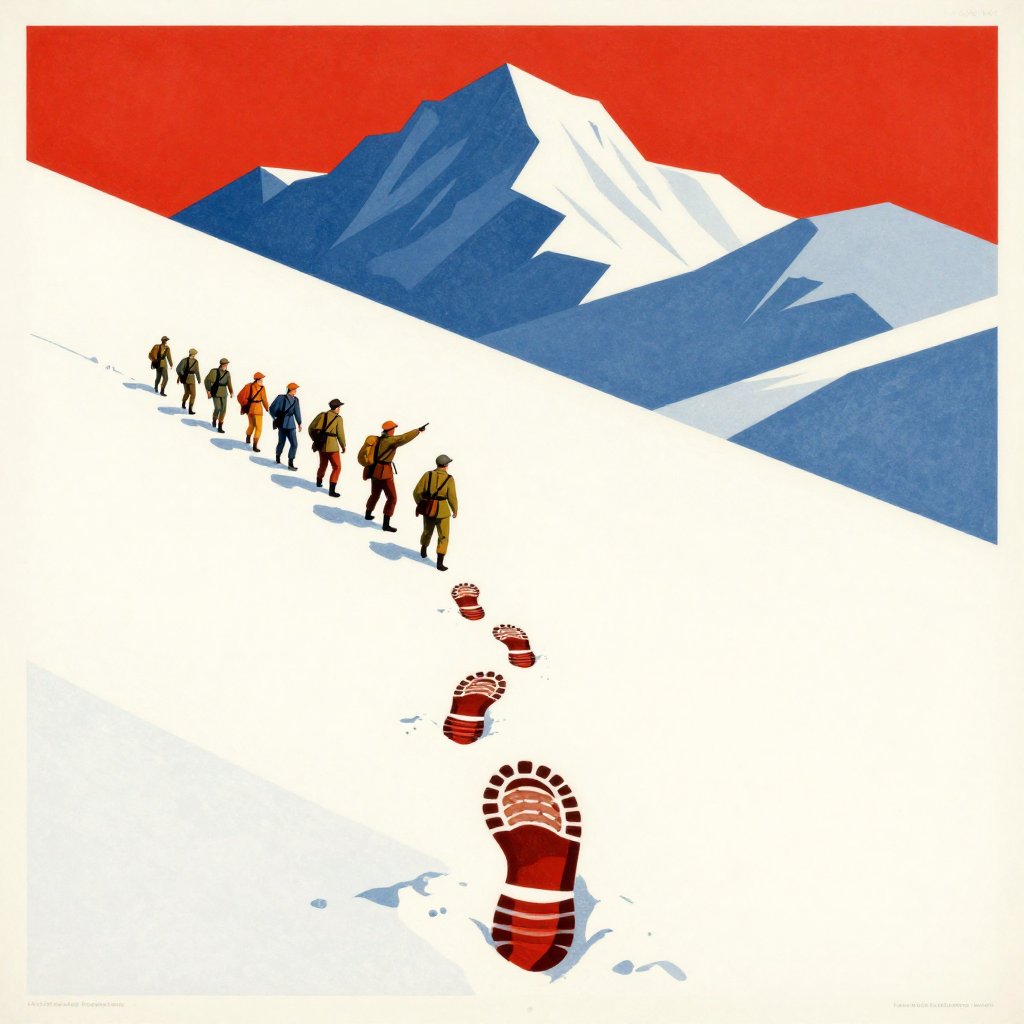
In 1921, Lieutenant Colonel Charles Howard-Bury led a British reconnaissance expedition to the north side of Mount Everest. At approximately 21,000 feet, his team found large footprints in the snow. The Sherpas called whatever made them "metoh-kangmi." A journalist mistranslated this as "Abominable Snowman," and the Western world had a new obsession.
The footprints were large, roughly 13 inches long, and appeared to be made by something walking on two feet. Howard-Bury himself thought they were made by a wolf. The Sherpas were less certain. The journalist cared about neither interpretation. He had his headline.
The Sherpas Know
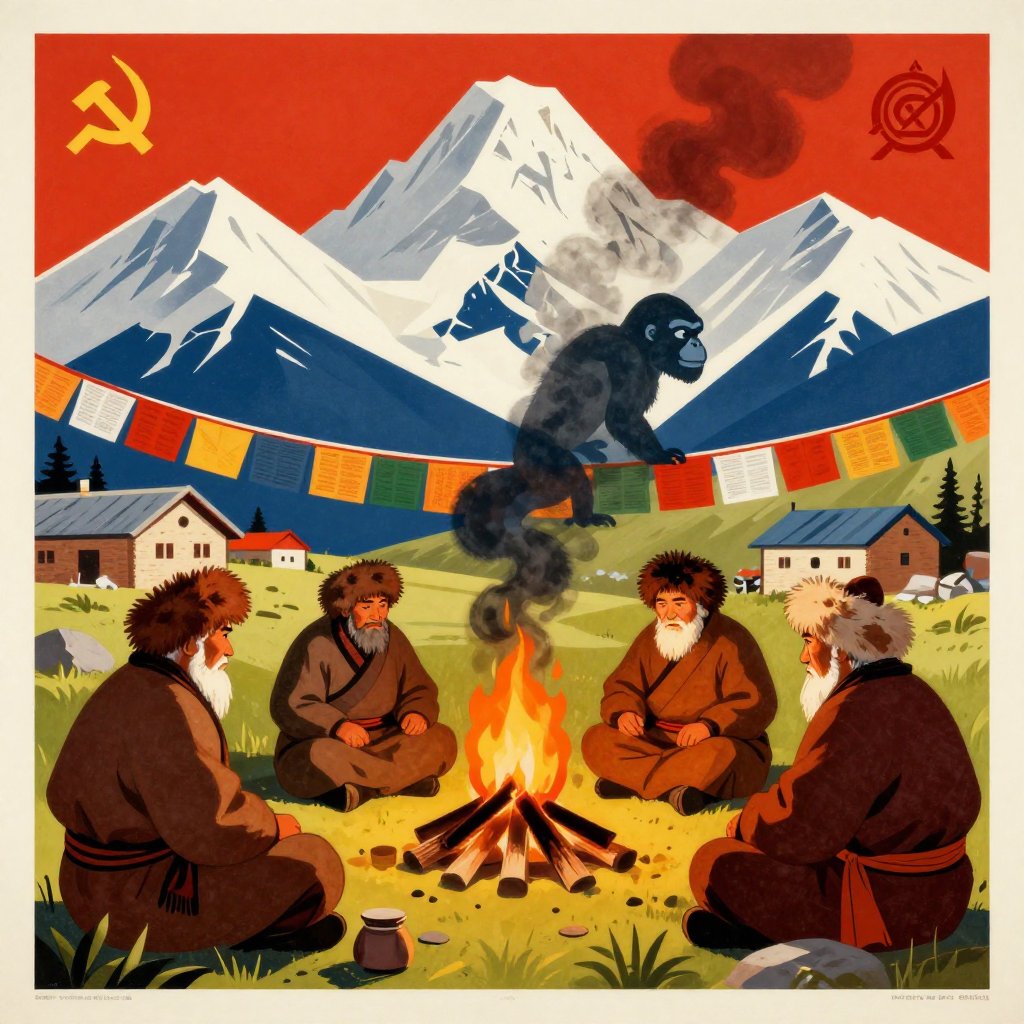
The Yeti is not a Western discovery. The peoples of the Himalayan region have stories about wild creatures in the mountains that predate European exploration by centuries. In Tibetan, "yeh-teh" means "rock bear" or "rock animal." In Nepali, "ban manchi" means "forest man."
The descriptions vary by region. Some describe a large, ape-like creature. Others describe something more like a bear that walks upright. Some accounts are of a dangerous predator. Others are of a shy creature that avoids humans. What the accounts agree on is this: something lives in the high mountains that does not fit neatly into any category. The Sherpas do not need an expedition to tell them this. They have known for a very long time.
The Scalp
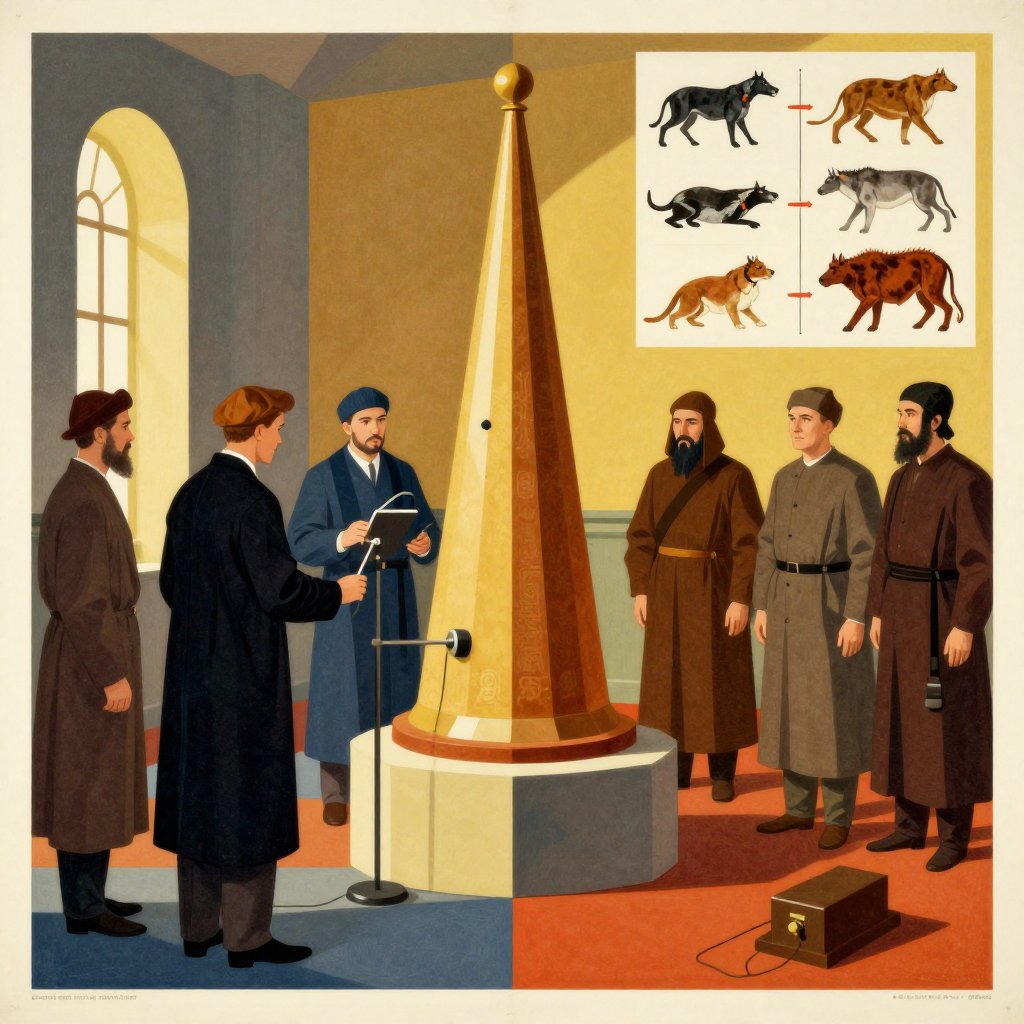
The Pangboche monastery in Nepal once displayed what it claimed was a Yeti scalp: a conical, reddish-brown relic that looked like no known animal's remains. In 1960, Sir Edmund Hillary, who had climbed Everest seven years earlier, borrowed the scalp for scientific analysis. Tests concluded it was made from the skin of a serow, a goat-like animal native to the Himalayas.
The monastery was not embarrassed. The scalp's provenance was less important than its meaning. Other Yeti relics have surfaced over the decades: bones, teeth, hair. Each has been tested. Each has turned out to be a known animal: bears, mostly. The relics keep failing scientific verification, and the people who display them keep not minding.
The Expeditions
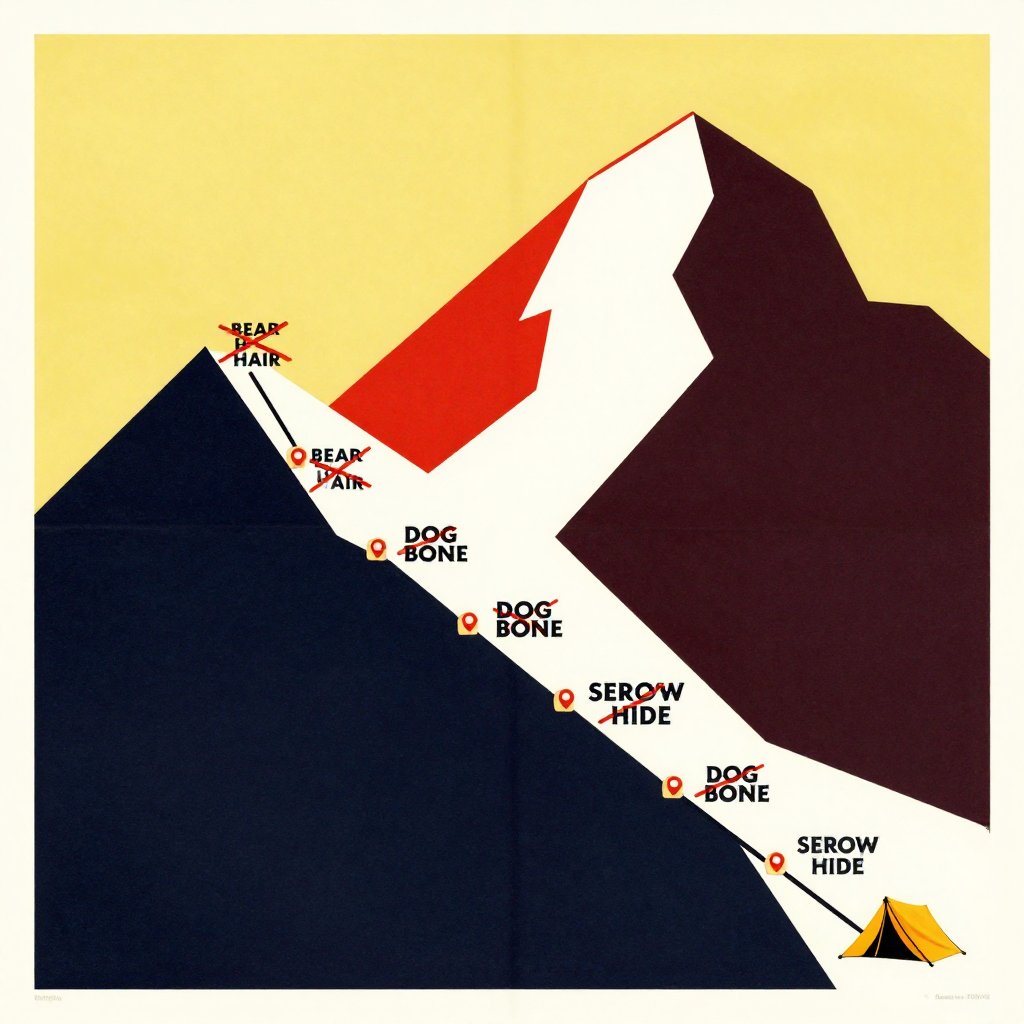
The history of Yeti hunting is a history of well-funded disappointment. In 1954, the Daily Mail sponsored an expedition that found tracks and collected hair samples. The hair was later identified as belonging to a bear. In 2007, American television presenter Josh Gates found what he claimed was a Yeti footprint near a Himalayan river. Plaster cast in hand, he returned to a world that was polite but unconvinced.
The most ambitious scientific effort came in 2017, when a team led by Charlotte Lindqvist of the University at Buffalo collected purported Yeti samples from museums and private collections across the Himalayan region. Of nine samples analyzed, eight were from Asian black bears, Himalayan brown bears, or Tibetan brown bears. One was from a dog. The Yeti, if it exists, has excellent taste in body doubles.
The Bears
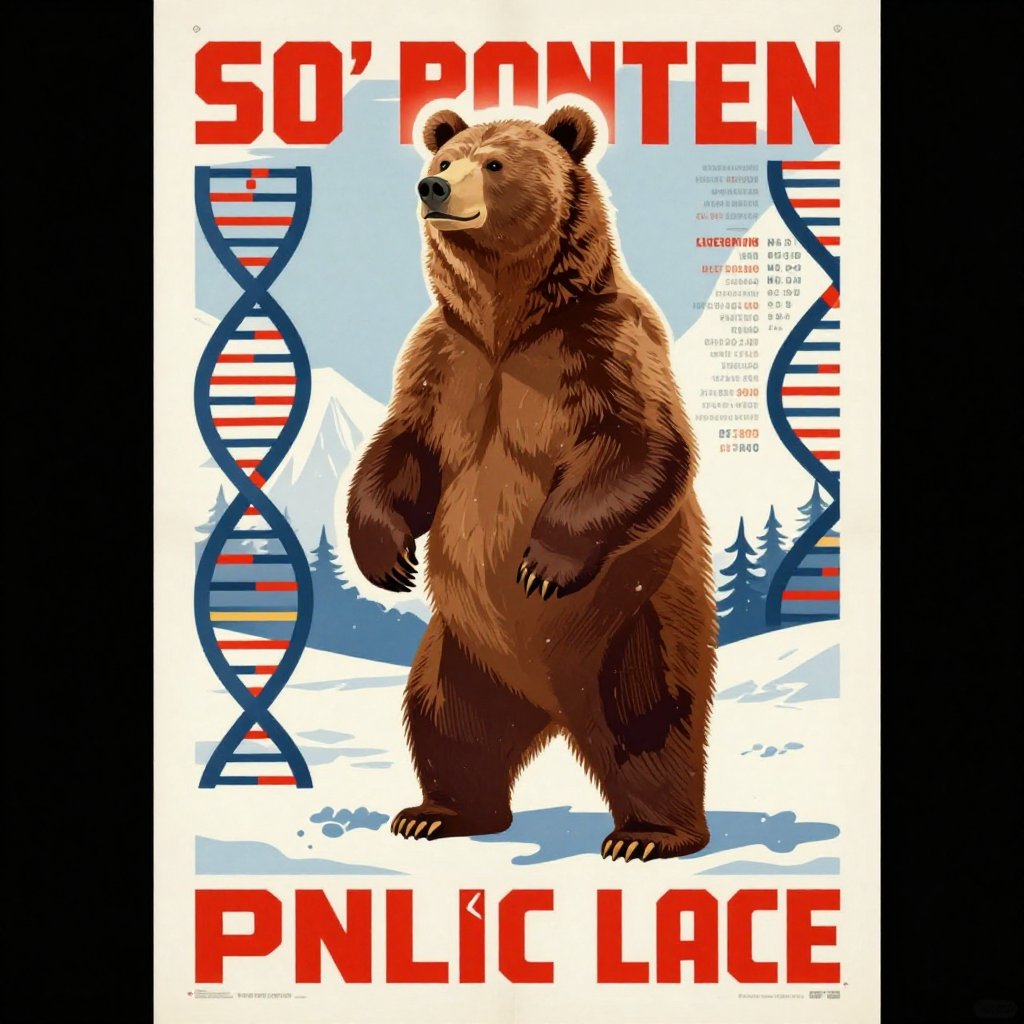
Lindqvist's 2017 study did more than debunk Yeti evidence. It revealed that the Himalayan brown bear and the Tibetan brown bear are genetically distinct populations that diverged approximately 650,000 years ago, isolated by geography and glaciation. The bears are rare, elusive, and adapted to extreme high-altitude environments.
A Himalayan brown bear, standing on its hind legs, is over six feet tall, covered in thick fur, and perfectly capable of leaving large, bipedal-looking footprints in snow. In low visibility, at high altitude, with oxygen deprivation affecting judgment, it would look exactly like something that is not a bear. The Yeti legend, stripped to its core, may be the story of a bear that humans kept encountering in conditions where clear identification was impossible.
The Mountain Keeps Its Secrets
Mount Everest is 29,032 feet tall. The Himalayan range contains 14 peaks above 8,000 meters. Between them lie valleys, glaciers, and forests that have never been surveyed. The region is so vast and so difficult to access that new species of mammals are still being discovered. In 2020, researchers described a new species of primate from the region. In a world of satellites and GPS, the mountains are still finding ways to surprise.
The Yeti is probably a bear. The evidence points that way. But "probably" is doing a lot of work in that sentence, and the Himalayas are exactly the kind of place where "probably" has room to be wrong. Somewhere above the tree line, where the air is thin and the snow has never been touched by human feet, there are footprints. They might be a bear's. They might be something else. The mountain is not going to tell you which.
Field Notes
- The term "Abominable Snowman" originated from a 1921 mistranslation by journalist Henry Newman of the Tibetan word "metoh-kangmi," which roughly translates to "man-bear snowman" or "filthy snowman," not "abominable."
- Sir Edmund Hillary and Marlin Perkins examined the Pangboche "Yeti scalp" in 1960 and concluded it was made from the hide of a serow (Capricornis thar), a goat-like mammal native to the eastern Himalayas.
- A 2017 study by Charlotte Lindqvist et al., published in the Proceedings of the Royal Society B, analyzed nine purported Yeti samples using mitochondrial DNA sequencing. Eight were identified as bears (Himalayan brown bear, Tibetan brown bear, or Asian black bear) and one as a dog.
- The Himalayan brown bear (Ursus arctos isabellinus) is critically endangered, with an estimated population of fewer than 200 individuals in Pakistan's northern areas. Its rarity contributes to its mythological status.
- Reinhold Messner, the first person to climb all 14 peaks above 8,000 meters, spent years investigating the Yeti. In his 1998 book "My Quest for the Yeti," he concluded that the legend is based on encounters with the Tibetan blue bear (Ursus arctos pruinosus), one of the rarest subspecies of brown bear.
Dig Deeper
Want the facts behind the folklore? Explore the real history of the Yeti, from Himalayan tradition to DNA analysis.
Learn more about the Yeti