The Name
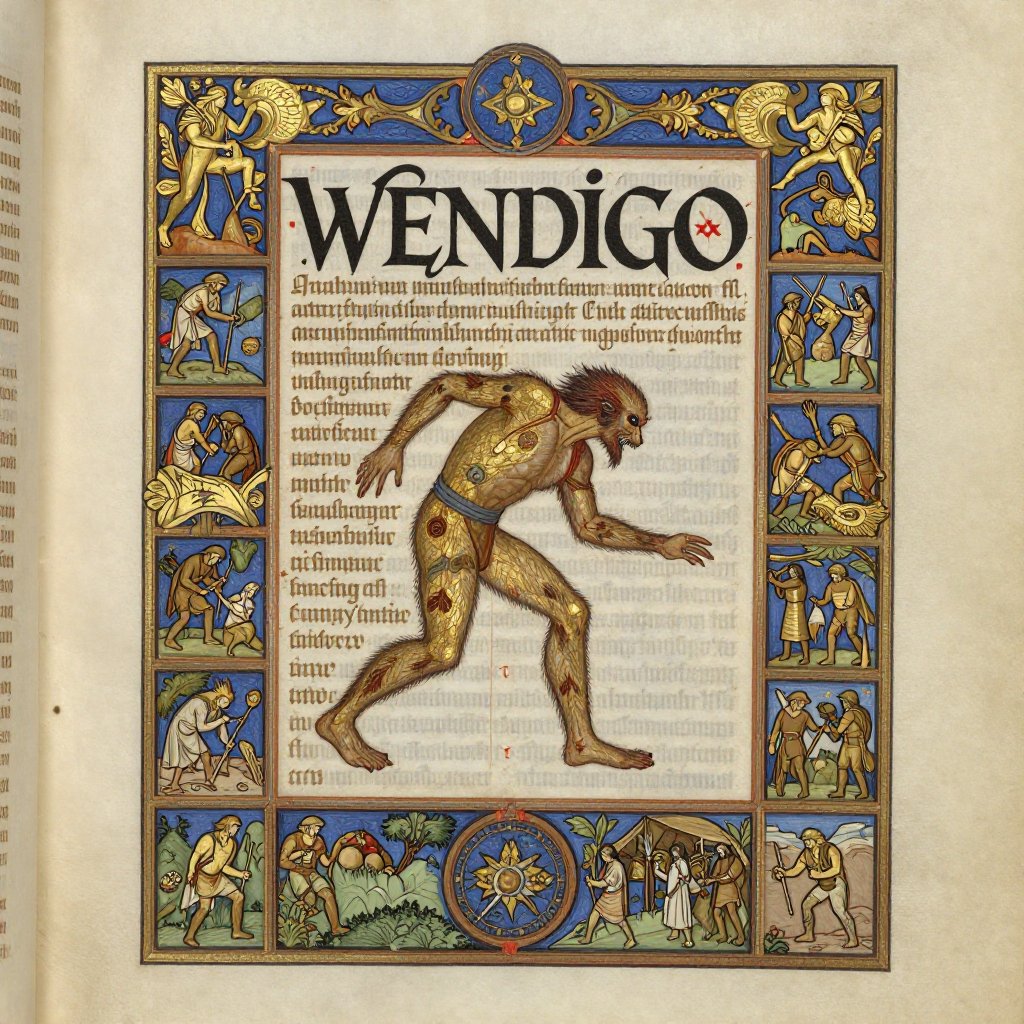
The word comes from the Algonquian language family. It has been spelled wendigo, windigo, witiko, and several other ways, because transliteration across languages is never clean. The meaning is more consistent: an evil spirit, a creature of insatiable hunger, a being that was once human and is now something worse.
In Algonquian, Ojibwe, and Cree traditions, the Wendigo is not simply a monster in the woods. It is a warning. It represents the consequences of greed, selfishness, and the most forbidden act of all: cannibalism. The Wendigo does not attack from outside the community. It grows from within it. This makes it scarier than anything with claws.
The Transformation
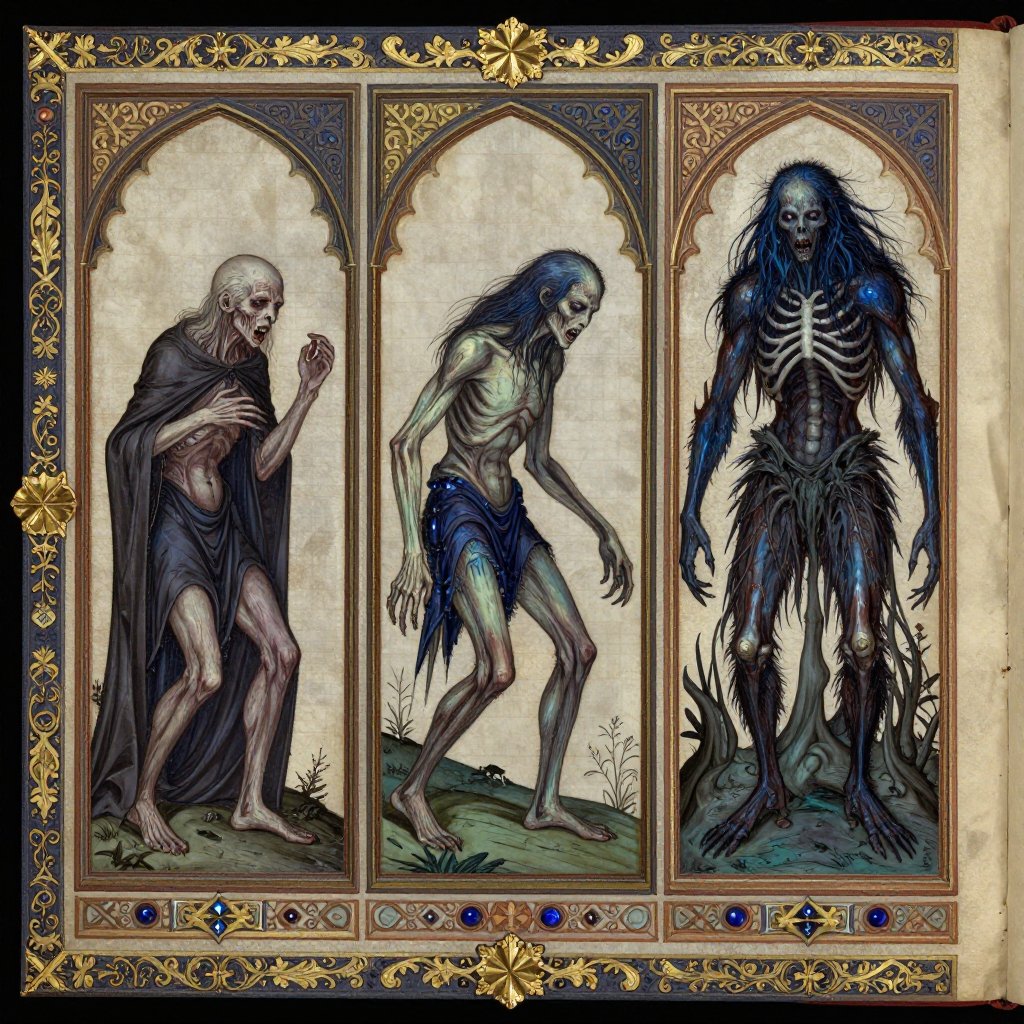
In the traditional stories, a person becomes a Wendigo through an act of cannibalism, usually during a harsh winter when starvation forces impossible choices. The transformation is not instant. It begins with an unnatural hunger that cannot be satisfied. The person eats, but the eating only makes the hunger worse.
The body changes. It grows taller, thinner, stretched beyond human proportions. The skin pulls tight. The eyes sink. The smell of decay follows. The creature that remains looks vaguely like the person it once was, the same way a house fire looks vaguely like a house. The Wendigo is always starving. It is always cold. And it is always looking for the next meal.
The Winter
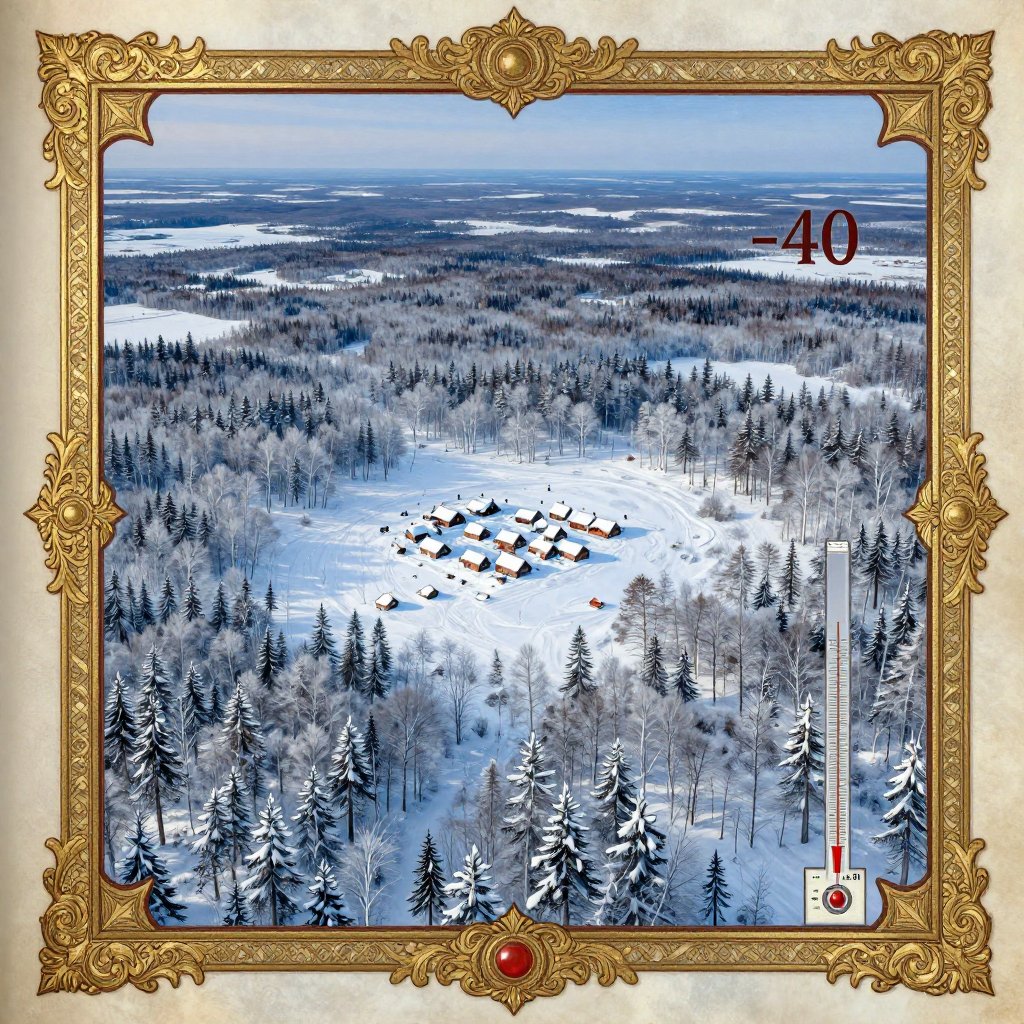
The boreal forests of Canada and the northern United States are among the harshest environments on Earth during winter. Temperatures drop below negative 40 degrees, which is the point where Fahrenheit and Celsius agree. Snow buries everything. Hunting becomes nearly impossible. Stored food runs out.
These conditions are where the Wendigo legends took root. Isolated communities, cut off from trade and travel by months of deep snow, faced genuine risks of starvation. The Wendigo was the mythological expression of a real fear: that desperation could push a person past the boundary of what they would normally do. The monster was not in the woods. The monster was at the table, looking at the person across from it and thinking something unspeakable.
Wendigo Psychosis
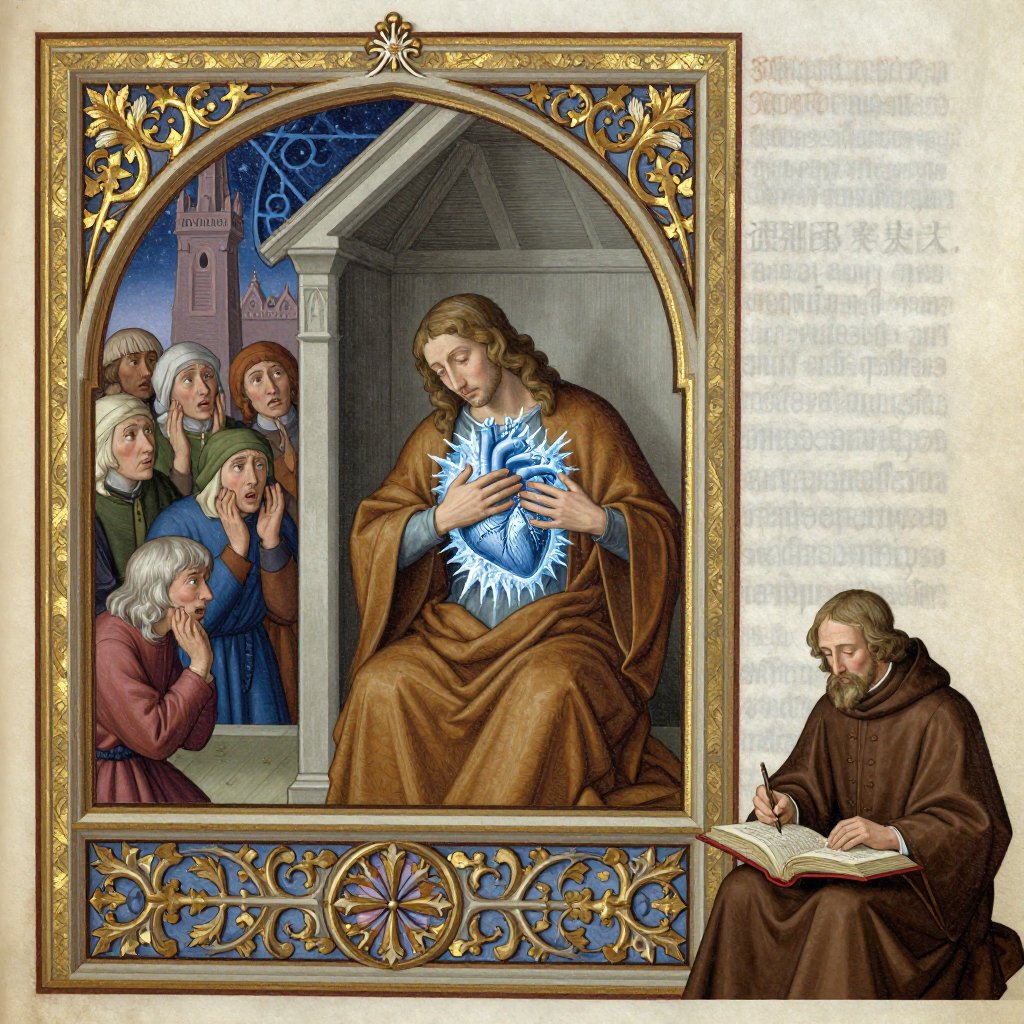
In 1661, the Jesuit Relations recorded accounts of people among the Algonquin who believed they were turning into Wendigos. They reported insatiable cravings for human flesh, a sense of growing larger, and the feeling of ice forming inside their chest. Some asked to be killed before the transformation was complete.
The concept entered Western psychiatry as "Wendigo psychosis," a culture-bound syndrome. Some researchers accepted it as a genuine condition. Others argued it was a misinterpretation of existing psychological disorders projected through a cultural lens. The debate continues. What is not debated is that the people who experienced it believed it completely, and that belief was, in practical terms, indistinguishable from the condition being real.
The Trials

Jack Fiddler was a Cree chief and medicine man in northwestern Ontario. He claimed to have killed fourteen Wendigos during his lifetime. In 1907, Canadian authorities arrested him for the murder of a woman from his community. Fiddler maintained she had been turning into a Wendigo and that killing her was an act of protection.
He died in custody before trial. The case highlighted a collision between legal systems: one that recognized Wendigo transformation as a real and lethal condition, and one that recognized only the act of killing. Neither system fully understood the other. Both were, within their own frameworks, correct. This is the kind of problem that does not have a solution, only a history.
The Appetite

The Wendigo persists because its metaphor is universal. Every culture has a word for the thing that eats and is never full. Greed. Addiction. Exploitation. The Wendigo is what happens when consumption becomes the only purpose: when a person, a company, or a society takes more than it needs and finds that the taking itself becomes the need.
In the stories, the Wendigo grows larger with every meal. Its body stretches to accommodate its appetite, so it is never closer to being satisfied. This is not a monster you can fight with a weapon. This is a monster you fight by not becoming it. The boreal forests are still cold. The winters are still long. And the oldest warning in North American mythology remains the simplest: be careful what you feed.
Field Notes
- The Wendigo is a figure from the mythology of several Algonquian-speaking peoples, including the Ojibwe, Cree, Naskapi, and Innu. It is primarily associated with the boreal forests and Great Lakes region of Canada and the northern United States.
- "Wendigo psychosis" was documented in ethnographic and psychiatric literature from the 17th through 20th centuries, described as a culture-bound syndrome involving intense cravings for human flesh and the belief in personal transformation into a Wendigo. Its classification remains debated among anthropologists.
- Jack Fiddler (Zhauwuno-geezhigo-gaubow), a Cree chief from the Sucker clan, was arrested in 1907 at Sandy Lake, Ontario for the killing of a woman he claimed was turning into a Wendigo. He reported having killed 14 Wendigos in total during his career as a community protector.
- The Jesuit Relations, a collection of annual reports from Jesuit missionaries in New France (1632-1673), contain multiple references to Wendigo beliefs among Indigenous communities, providing some of the earliest written documentation of the legend.
- The Wendigo has become a prominent figure in modern horror media, appearing in works ranging from Algernon Blackwood's 1910 short story "The Wendigo" to the 2015 video game "Until Dawn." Many First Nations communities have expressed concern about cultural appropriation and the distortion of the Wendigo's original spiritual significance.
Dig Deeper
Want the facts behind the folklore? Explore the real cultural history and significance of the Wendigo.
Learn more about the Wendigo