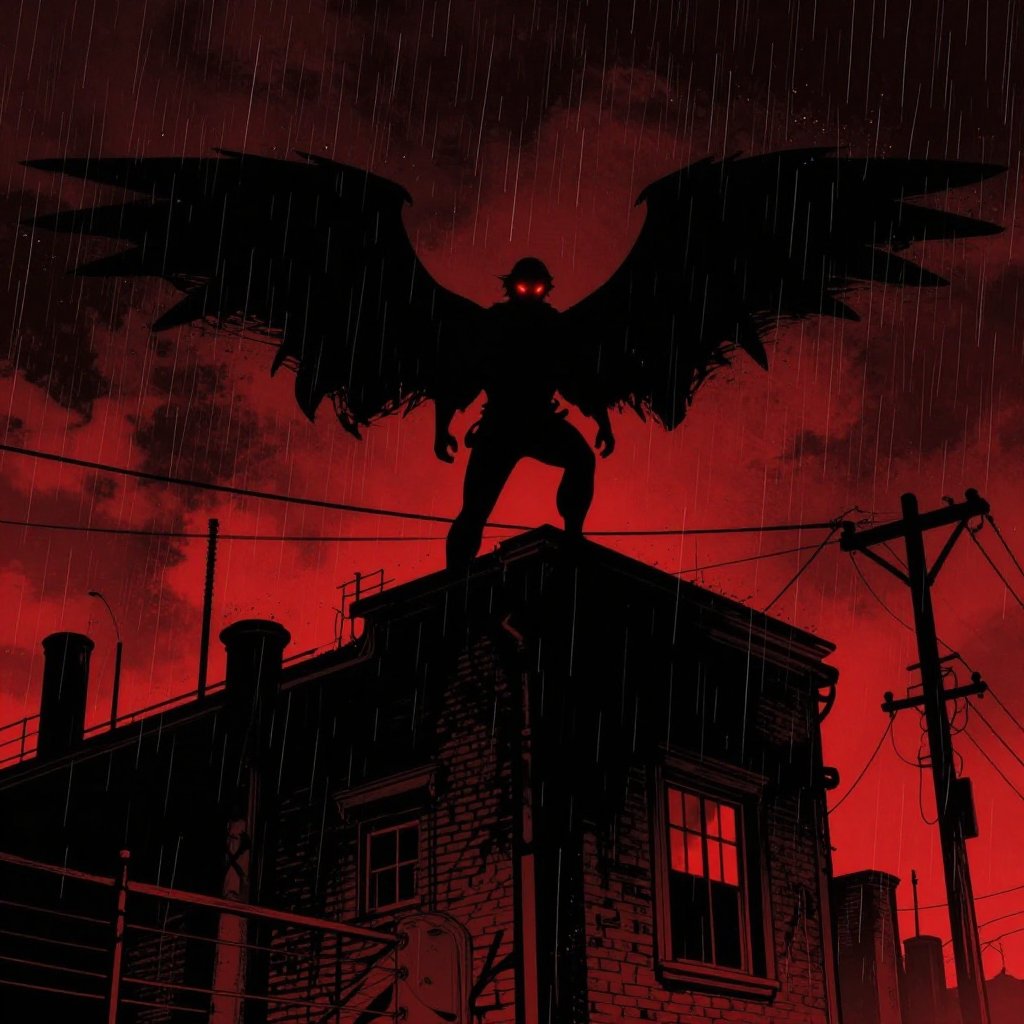
The First Sighting
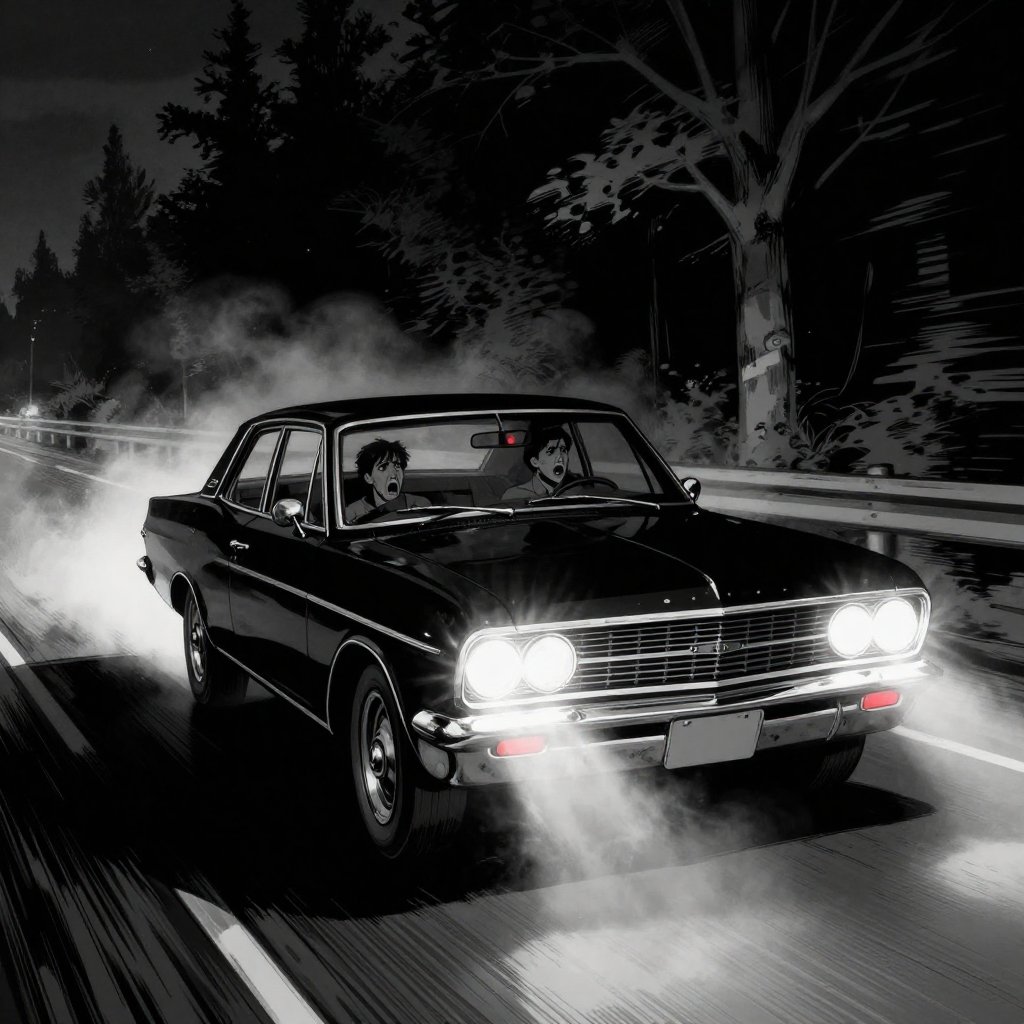
On November 15, 1966, two young couples were driving near an abandoned TNT plant outside Point Pleasant, West Virginia. They saw something standing near the road. It was tall. It was gray. It had wings folded against its back and two large, red, glowing eyes.
They drove away at speeds exceeding 100 miles per hour. The thing followed them. It kept pace with the car, its wings barely moving. When they reached the city limits, it stopped. They reached the Mason County courthouse and reported what they had seen. The deputy who took the statement did not laugh, which was either professional courtesy or genuine concern.
Thirteen Months of Company
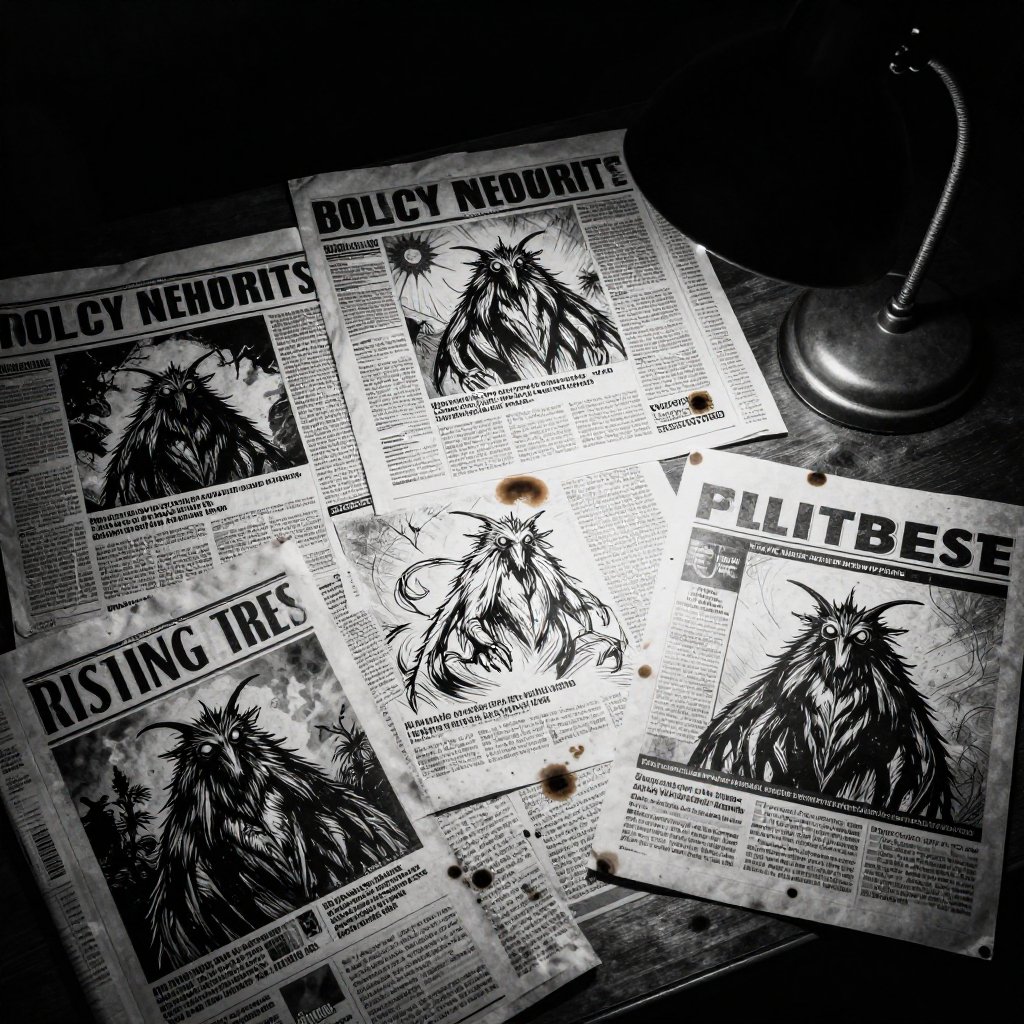
Over the next thirteen months, over 100 people in the Point Pleasant area reported seeing the creature. A man walking his dog saw it perched on a roof. A group of gravediggers watched it glide over the treetops. Two volunteer firefighters described something "large, dark, and bird-shaped" hovering above the TNT plant.
The local newspaper named it Mothman, after a villain from the Batman television show that was popular at the time. The creature, presumably, did not watch Batman and had no opinion on the name. It just kept appearing. Always at night. Always with those red eyes. Always near the same stretch of river.
The TNT Plant
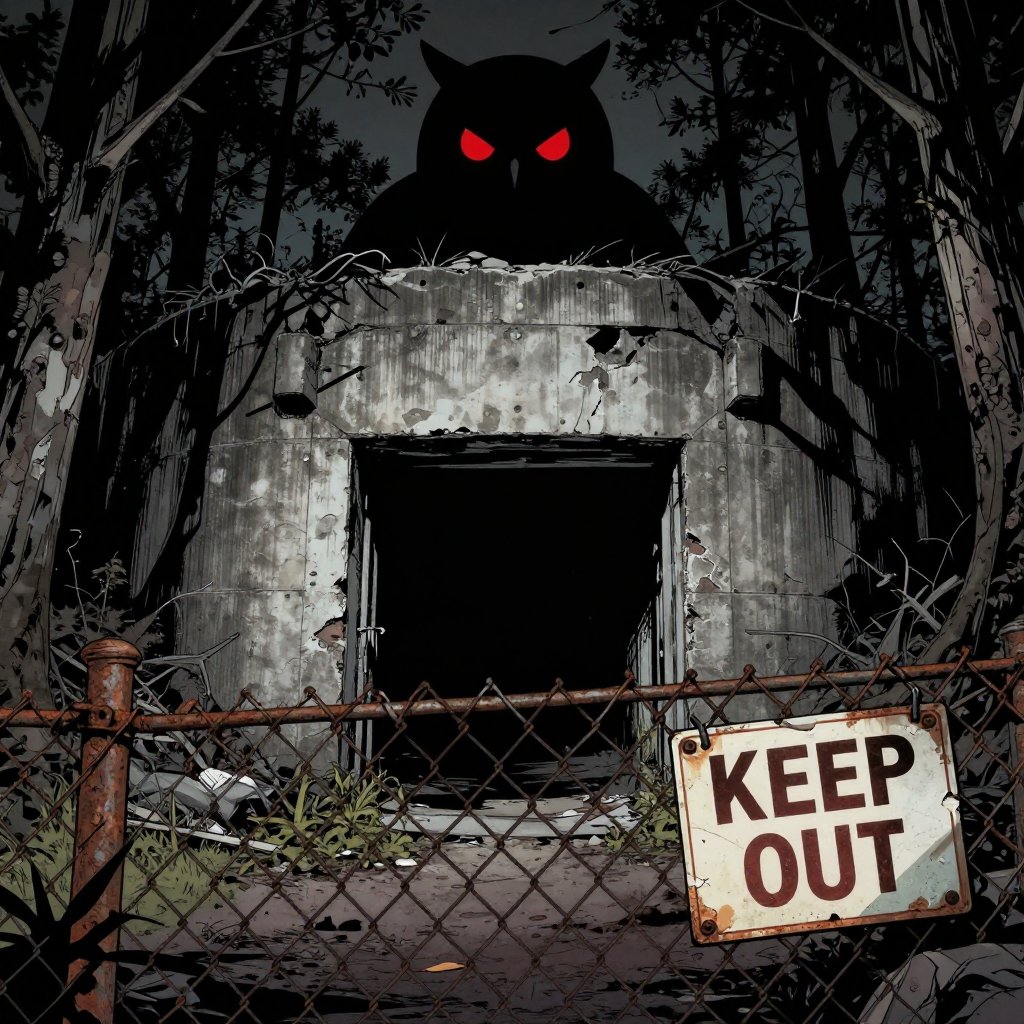
The abandoned West Virginia Ordnance Works, where many sightings occurred, was a World War II munitions factory spread across several thousand acres north of Point Pleasant. By 1966, it was a maze of concrete igloos, rusting infrastructure, and dark tunnels. It was the kind of place that made people nervous even before a seven-foot creature with glowing eyes moved in.
The area was also home to a large population of barred owls, which have reflective eyes that can appear red in certain light conditions. Wildlife biologists have suggested that Mothman may have been a large owl or a sandhill crane, both of which can stand several feet tall. This explanation has the advantage of being plausible and the disadvantage of being extremely boring.
The Bridge
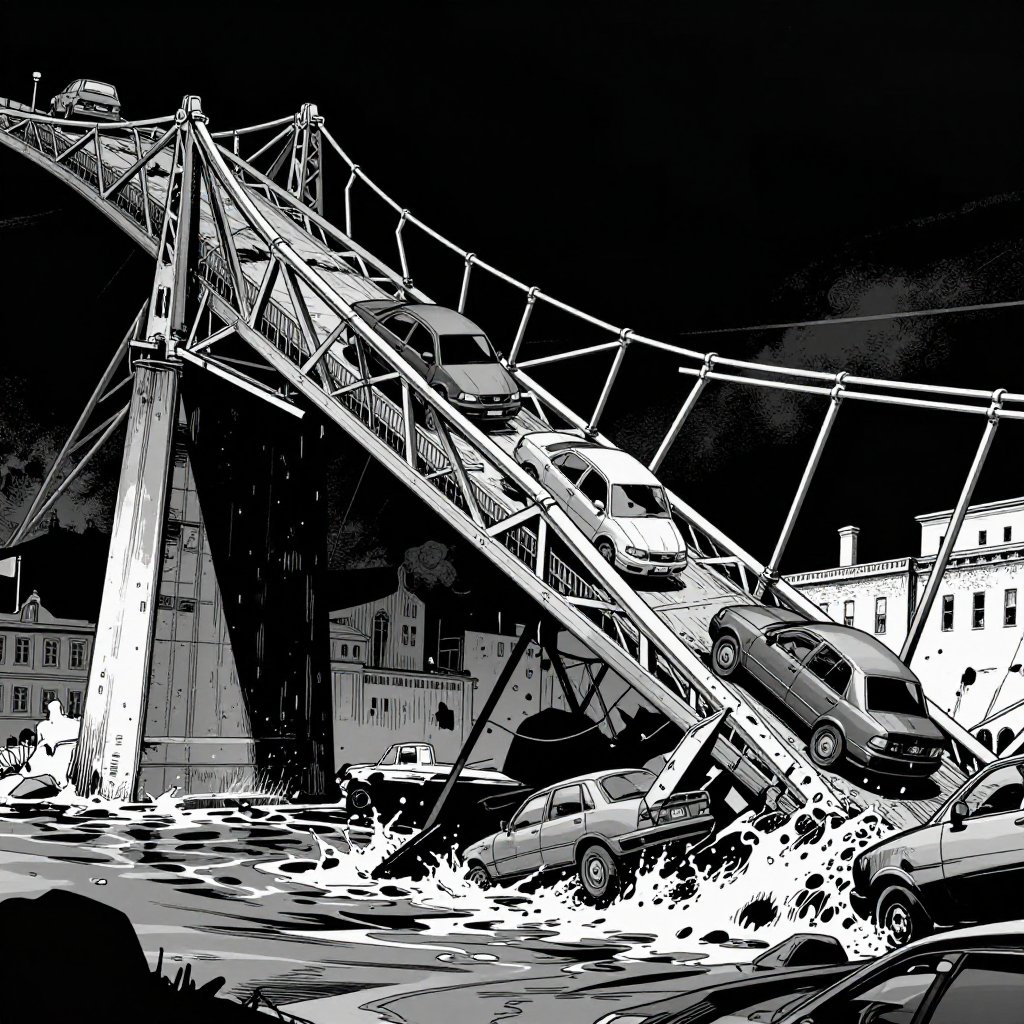
The Silver Bridge connected Point Pleasant, West Virginia to Gallipolis, Ohio across the Ohio River. Built in 1928, it was an eyebar chain suspension bridge, a design that relied on a series of linked metal bars to support the roadway. If one bar failed, the entire chain would fail.
On December 15, 1967, at approximately 5:00 PM during rush hour, eyebar number 330 cracked. The chain reaction took less than a minute. The entire bridge dropped into the river. Forty-six people died. It was the worst bridge disaster in American history at that time.
The Connection
After the Silver Bridge collapsed, Mothman sightings stopped. Completely. The creature that had been seen by dozens of witnesses over thirteen months simply disappeared. This timing was either a coincidence or exactly the kind of thing that keeps conspiracy theorists employed.
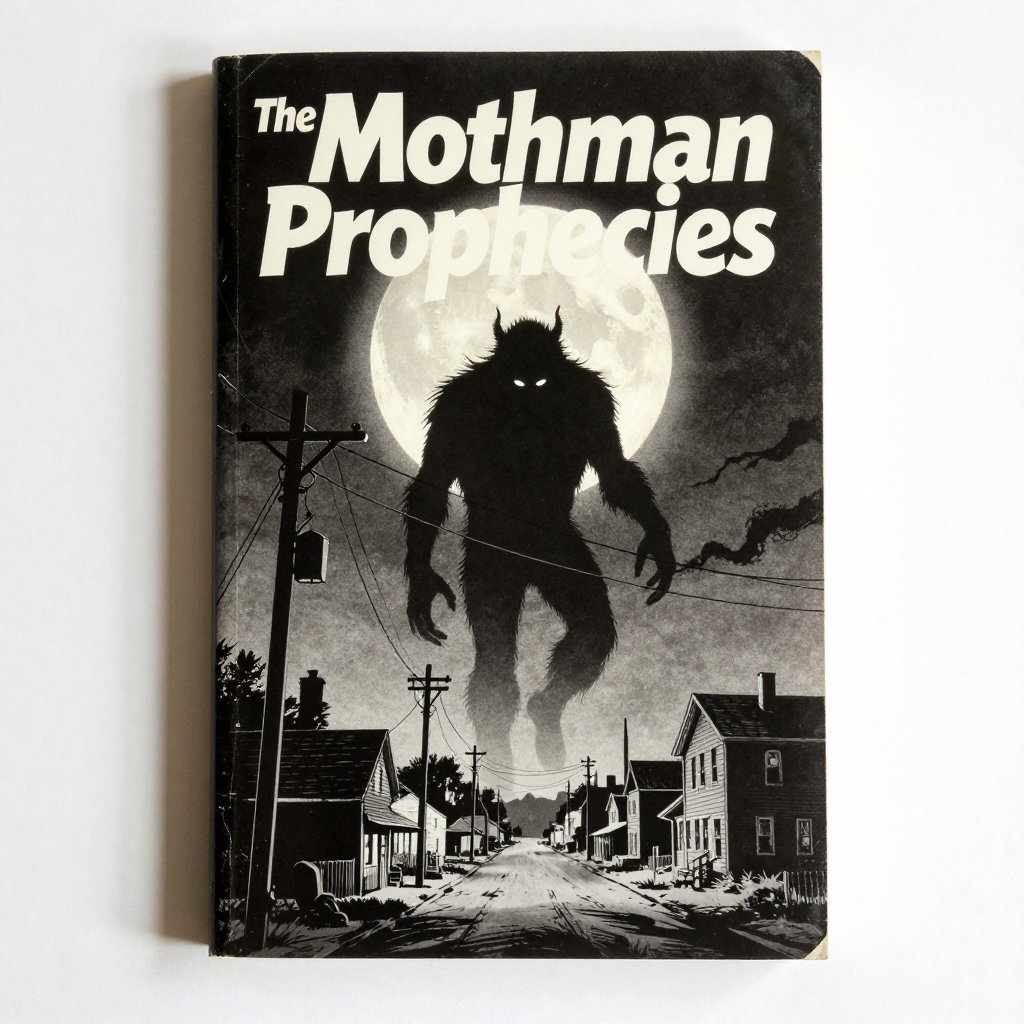
John Keel, a journalist who investigated the Mothman phenomenon, published "The Mothman Prophecies" in 1975. He connected the sightings to the bridge collapse, arguing that Mothman was a harbinger of disaster. The book was later adapted into a 2002 film starring Richard Gere. Neither Keel nor Gere could explain why a prophetic creature would warn people by standing on rooftops and staring at them instead of, say, writing a letter.
The Statue
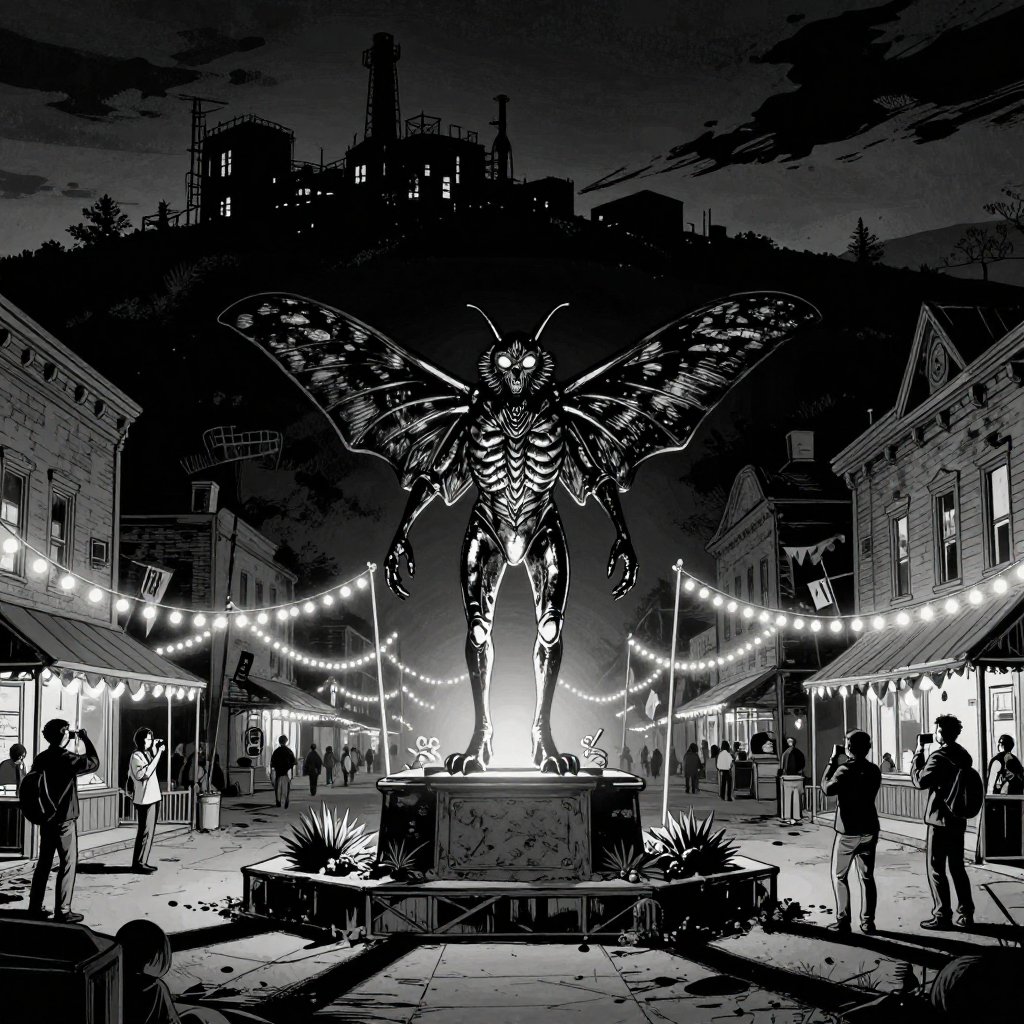
Today, Point Pleasant has a twelve-foot stainless steel Mothman statue in the middle of town. It is muscular and shiny. It looks nothing like the creature witnesses described. Every September, the town hosts the Mothman Festival, which draws thousands of visitors and features hayrides, live music, and a Miss Mothman pageant.
The Silver Bridge was replaced in 1969 by a modern structure that does not rely on eyebar chains. The TNT plant area is gradually returning to forest. The creature with the red eyes has not been seen since December 1967, which is either reassuring or, depending on your interpretation, means it is simply somewhere else now. Watching. Waiting. Being extremely unhelpful about it.
Field Notes
- The Silver Bridge collapse on December 15, 1967 killed 46 people and led to the passage of the Federal-Aid Highway Act of 1968, which established the National Bridge Inspection Standards requiring regular inspection of all highway bridges.
- The original Mothman sightings occurred near the West Virginia Ordnance Works, a 8,000-acre former TNT production facility used during World War II, located about 5 miles north of Point Pleasant.
- John Keel's 1975 book "The Mothman Prophecies" connected the sightings to the bridge collapse and various paranormal phenomena including UFO sightings and Men in Black encounters reported in the same area during 1966-1967.
- The Mothman statue in Point Pleasant was sculpted by artist Bob Roach and unveiled in 2003. It stands 12 feet tall and is made of stainless steel. It has become one of West Virginia's most photographed landmarks.
- The annual Mothman Festival, held every third weekend of September in Point Pleasant, has been running since 2002 and typically draws 10,000 to 12,000 visitors to a town with a permanent population of about 4,000.
Dig Deeper
Want the facts behind the folklore? Explore the real history of Mothman, the Silver Bridge, and Point Pleasant.
Learn more about Mothman