The Lake
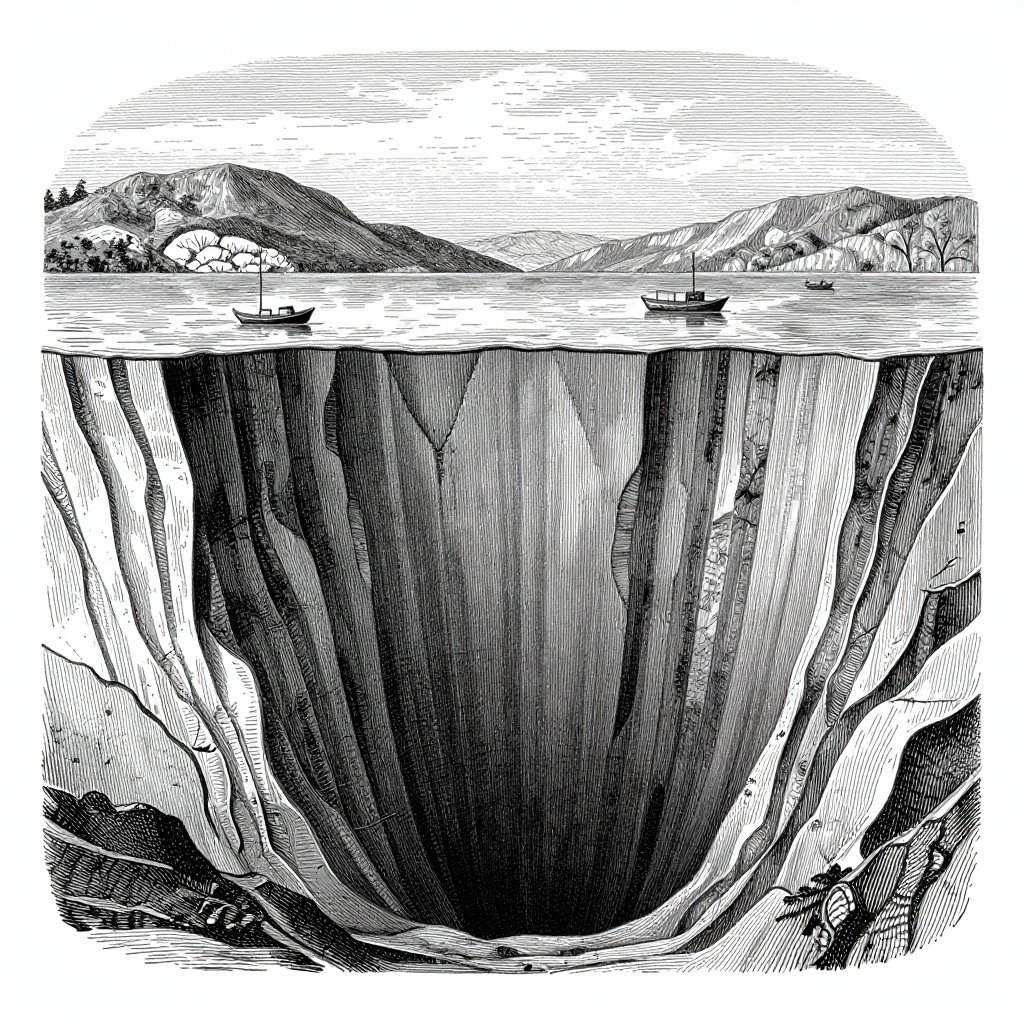
Loch Ness holds more fresh water than every lake in England and Wales combined. It is 23 miles long, over 700 feet deep in places, and so dark with peat that visibility drops to zero within a few feet. If you wanted to hide a large aquatic creature, you could not design a better location.
The loch sits along the Great Glen Fault, a geological scar that cuts Scotland nearly in half. The water is cold year-round. The surface is often still. And for at least 1,500 years, people living near its shores have reported seeing something that should not be there.
The Saint and the Beast
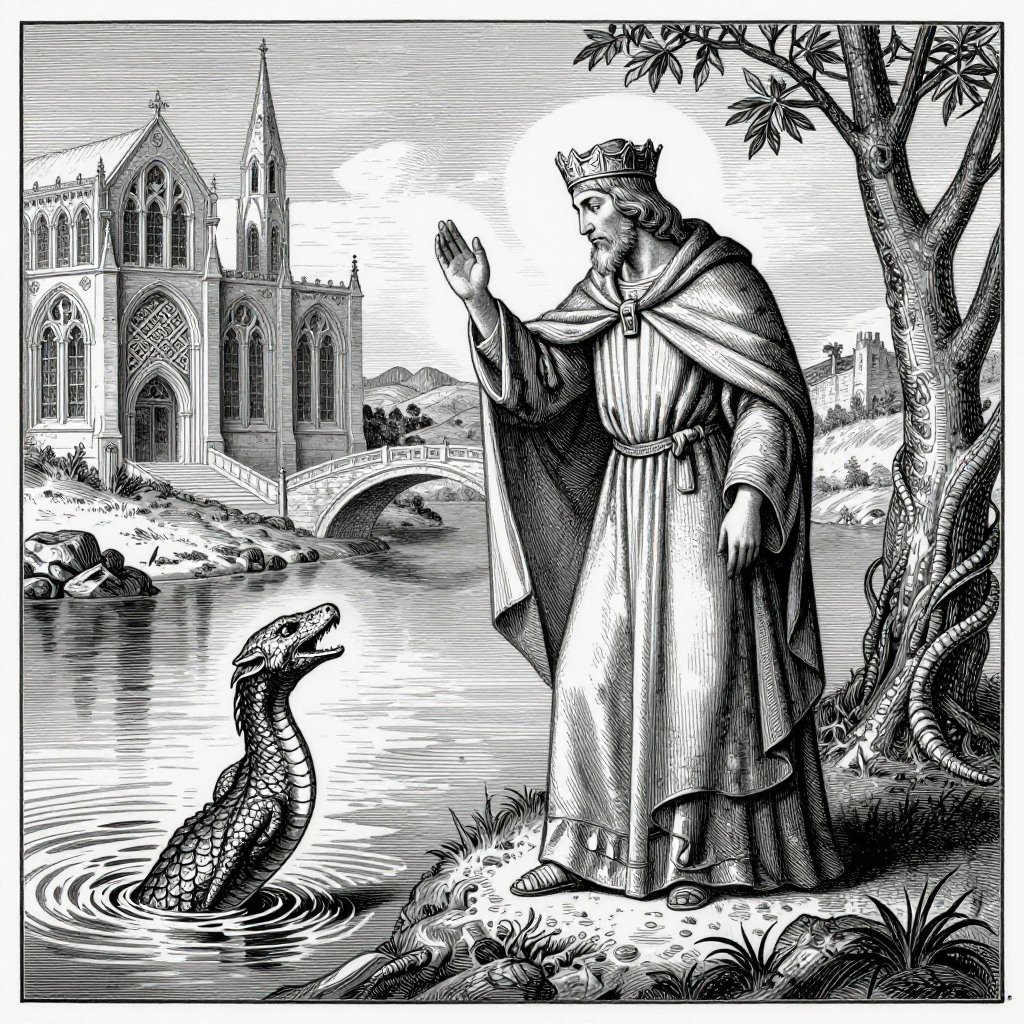
The earliest known account comes from 565 AD, when Saint Columba reportedly encountered a "water beast" in the River Ness. According to his biographer Adomnan, the creature had already killed a local swimmer. Columba made the sign of the cross and told it to go away. It did.
This is the most successful monster encounter in recorded history. No sonar. No submarine. No television crew. Just a saint with good timing and firm boundaries. Every expedition since has been less effective.
The Surgeon's Photo
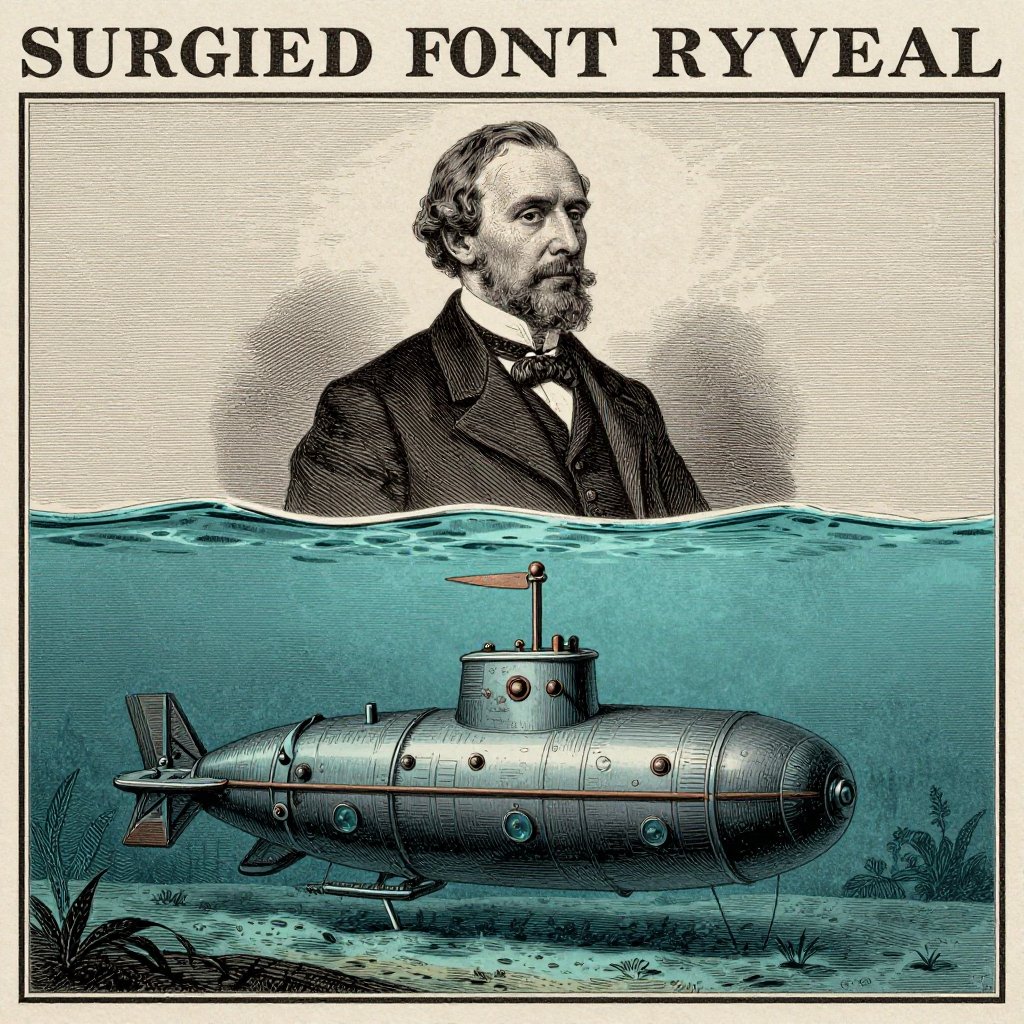
On April 19, 1934, a London gynecologist named Robert Kenneth Wilson sold a photograph to the Daily Mail. It showed a long neck and small head protruding from the water of Loch Ness. The image became the most famous monster photograph in history.
Sixty years later, it was revealed as a hoax. The "monster" was a toy submarine fitted with a sculpted head made from plastic wood. The elaborate prank was orchestrated by Marmaduke Wetherell, a big-game hunter who had been humiliated by the Daily Mail after his earlier Nessie evidence turned out to be hippo footprints. His revenge was a fake photo so convincing that it defined monster mythology for the rest of the century. Well played, Marmaduke.
The Hunt Goes Professional
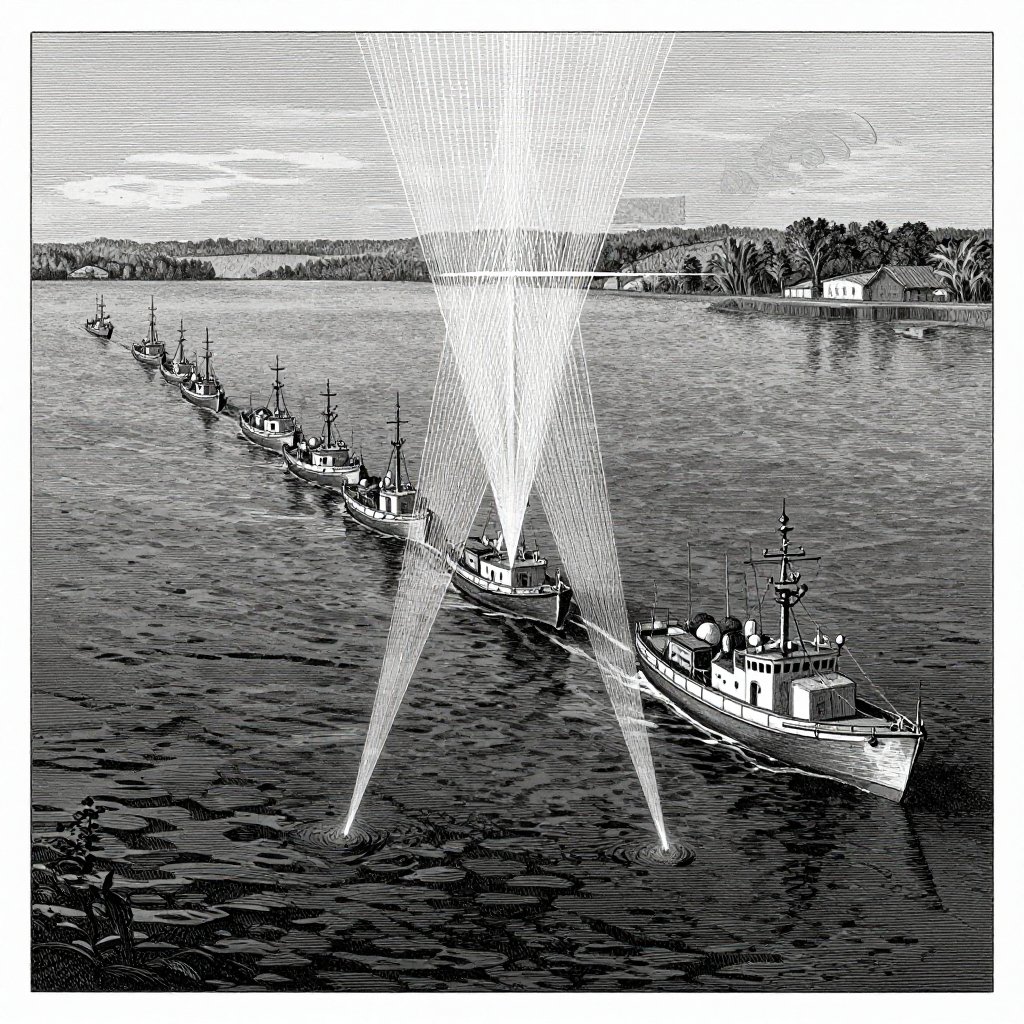
In 1987, Operation Deepscan deployed 24 boats in a line across Loch Ness, dragging sonar through the water like a fine-toothed comb. The cost: over one million pounds. The result: three sonar contacts that could not be explained. Also could not be identified. The loch kept its secrets and the sonar operators kept their receipts.
Subsequent expeditions have used everything from underwater cameras to environmental DNA sampling. In 2019, a team from the University of Otago collected water samples and analyzed the DNA of every living thing in the loch. They found a significant amount of eel DNA. Their conclusion: Nessie might be a very large eel. The public's response was polite but unenthusiastic.
The Economy of Maybe
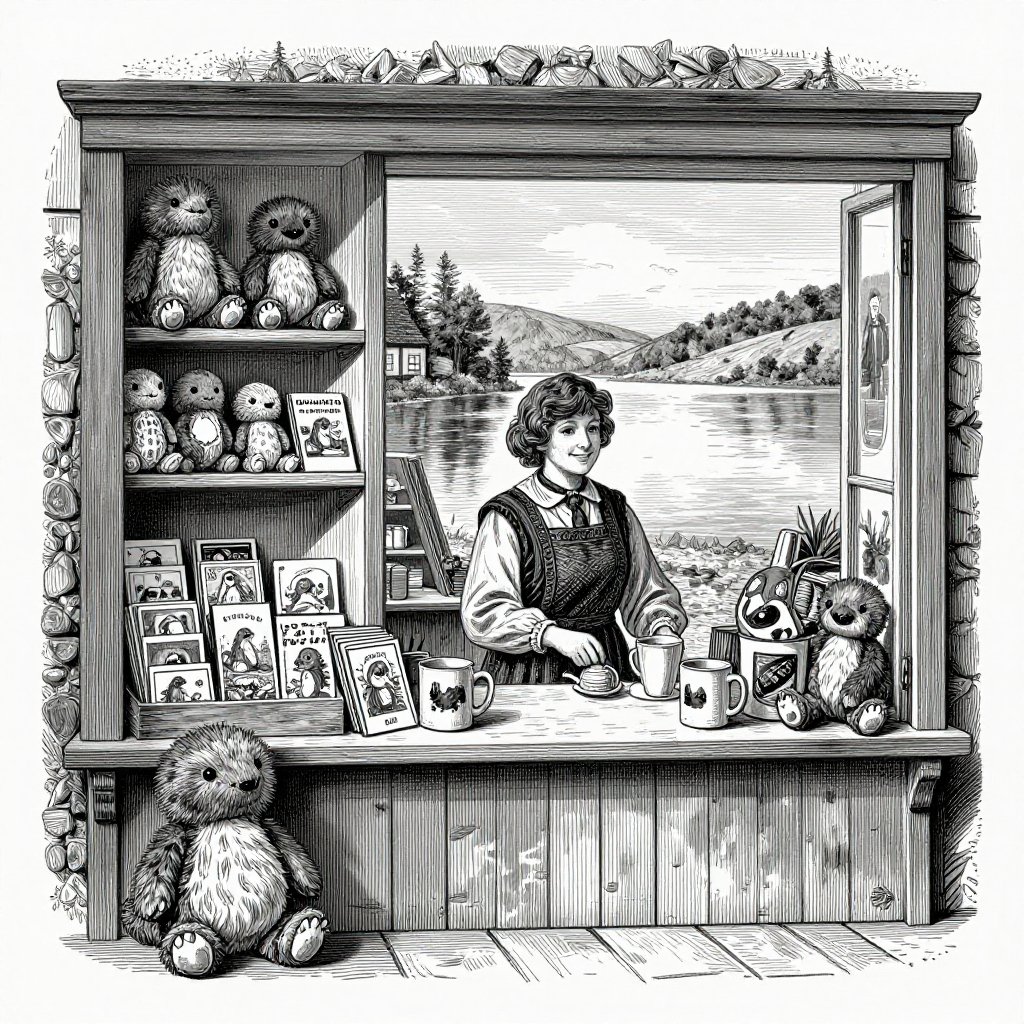
Loch Ness tourism generates an estimated 80 million pounds per year. There are Nessie boat tours, Nessie museums, Nessie gift shops, and a Nessie webcam that streams 24 hours a day to an audience of people who should probably be sleeping. The village of Drumnadrochit exists, economically speaking, because of something that probably does not exist.
This creates an unusual incentive structure. Proving Nessie real would be wonderful for science and terrible for mystery. Proving Nessie fake would be terrible for gift shops and wonderful for eels. The economically optimal outcome is eternal ambiguity, which, conveniently, is exactly what the loch provides.
The Vigil
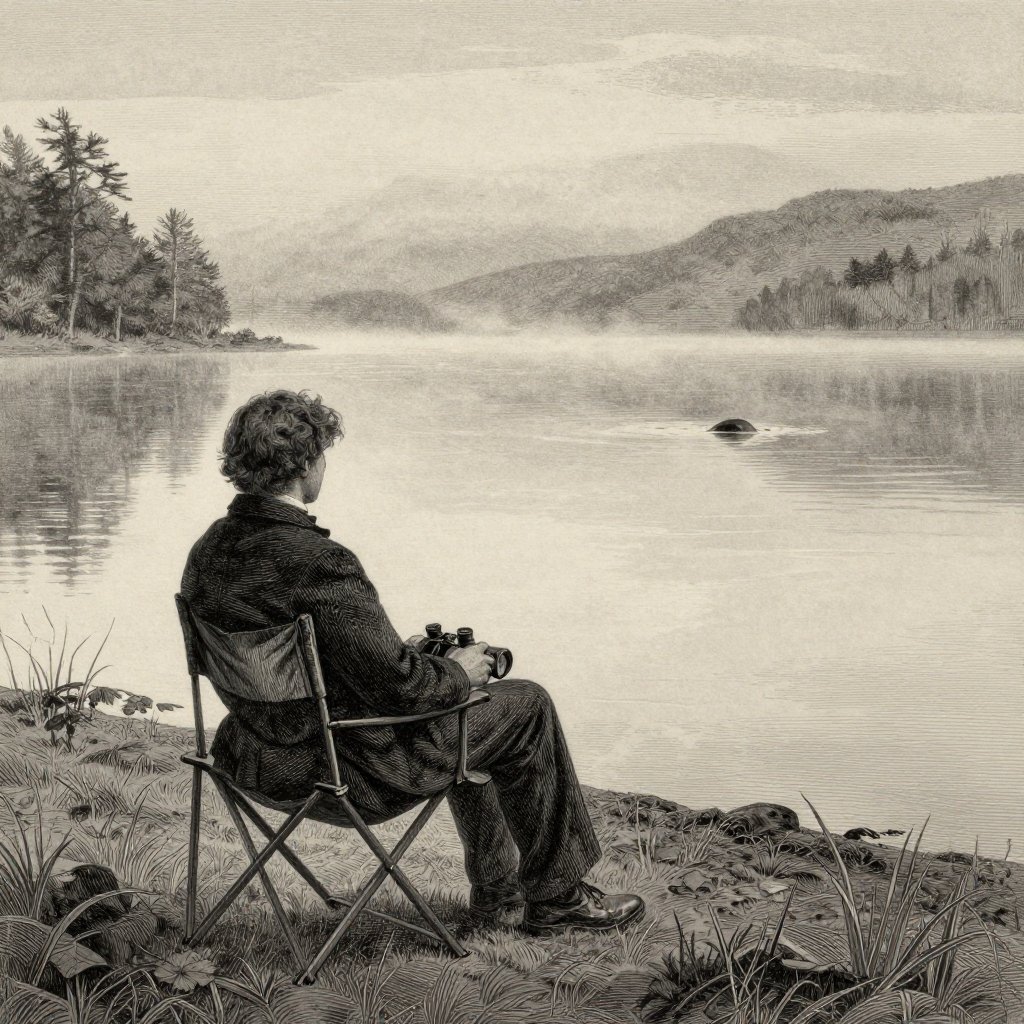
Every year, people sit by the shore of Loch Ness and watch the water. Some use binoculars. Some use telephoto lenses. Some just sit. The Official Loch Ness Monster Sightings Register has logged over a thousand reports. Each one describes something that briefly broke the surface, then disappeared.
It could be a wave. It could be a log. It could be a large eel doing something unusual. Or it could be a creature that has survived in cold, dark water for centuries, surfacing just often enough to remind us that some questions are better than their answers. The loch does not care either way. It just sits there, 23 miles long and 700 feet deep, keeping its water dark and its opinions to itself.
Field Notes
- Loch Ness contains approximately 7.4 cubic kilometers of water, more fresh water than all the lakes of England and Wales combined. Its deepest point is 230 meters (755 feet).
- The "Surgeon's Photo" of 1934, the most iconic Nessie image, was revealed in 1994 as a hoax involving a modified toy submarine. The confession came from Christian Spurling, stepson of hoaxer Marmaduke Wetherell, shortly before Spurling's death.
- A 2019 environmental DNA study by the University of Otago found no evidence of large unknown animals in Loch Ness but did detect significant quantities of European eel DNA, suggesting Nessie sightings could be misidentified eels.
- The earliest written account of a creature in Loch Ness appears in Adomnan of Iona's "Life of St. Columba," written in the 7th century, describing an event said to have occurred in 565 AD.
- The Official Loch Ness Monster Sightings Register, maintained by recorder Gary Campbell since 1996, has logged over 1,100 reported sightings. Campbell has noted that sighting frequency increases in warmer months when tourism peaks.
Dig Deeper
Want the facts behind the folklore? Explore the real history, science, and enduring mystery of Loch Ness.
Learn more about the Loch Ness Monster