Mother Leeds
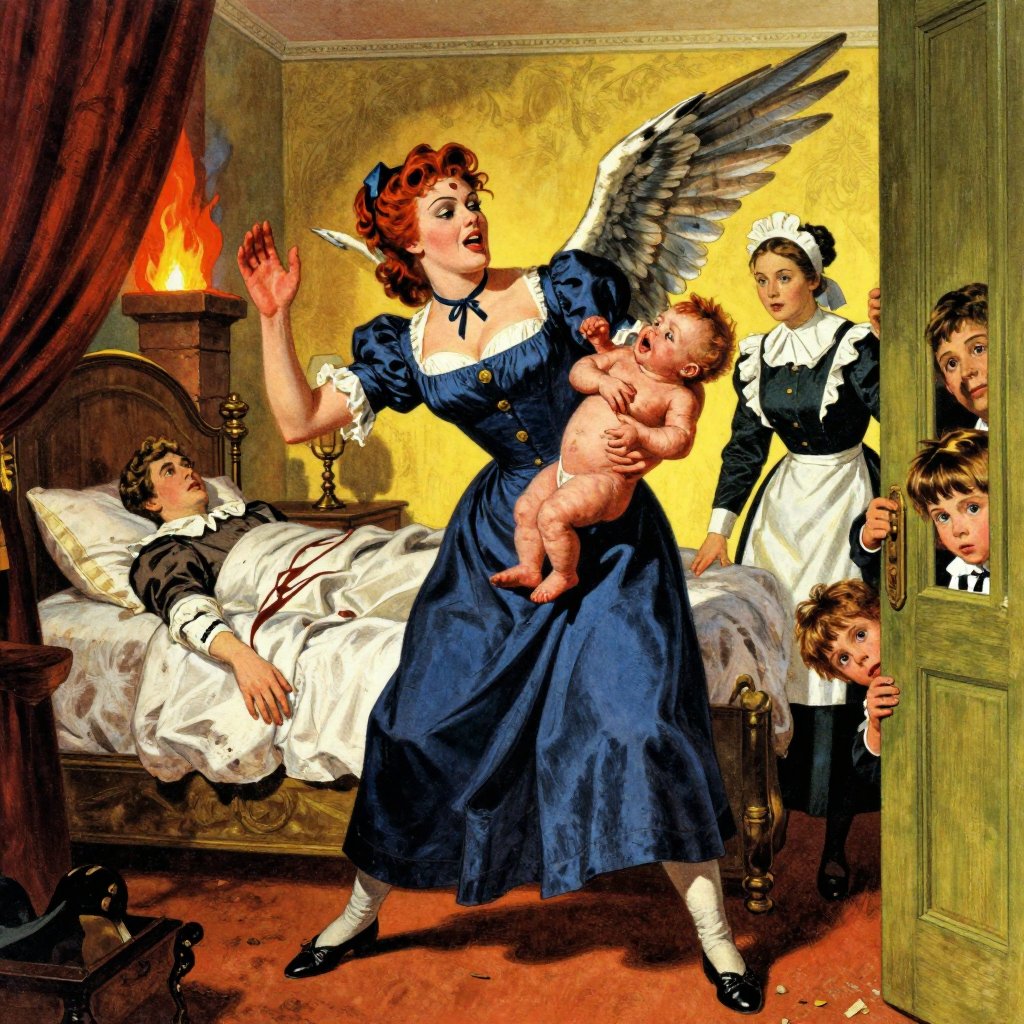
The story begins in 1735, in the Pine Barrens of southern New Jersey. A woman known as Mother Leeds was about to give birth to her thirteenth child. Depending on which version you prefer, she was either a witch, married to a witch, or simply a woman who was very tired of being pregnant.
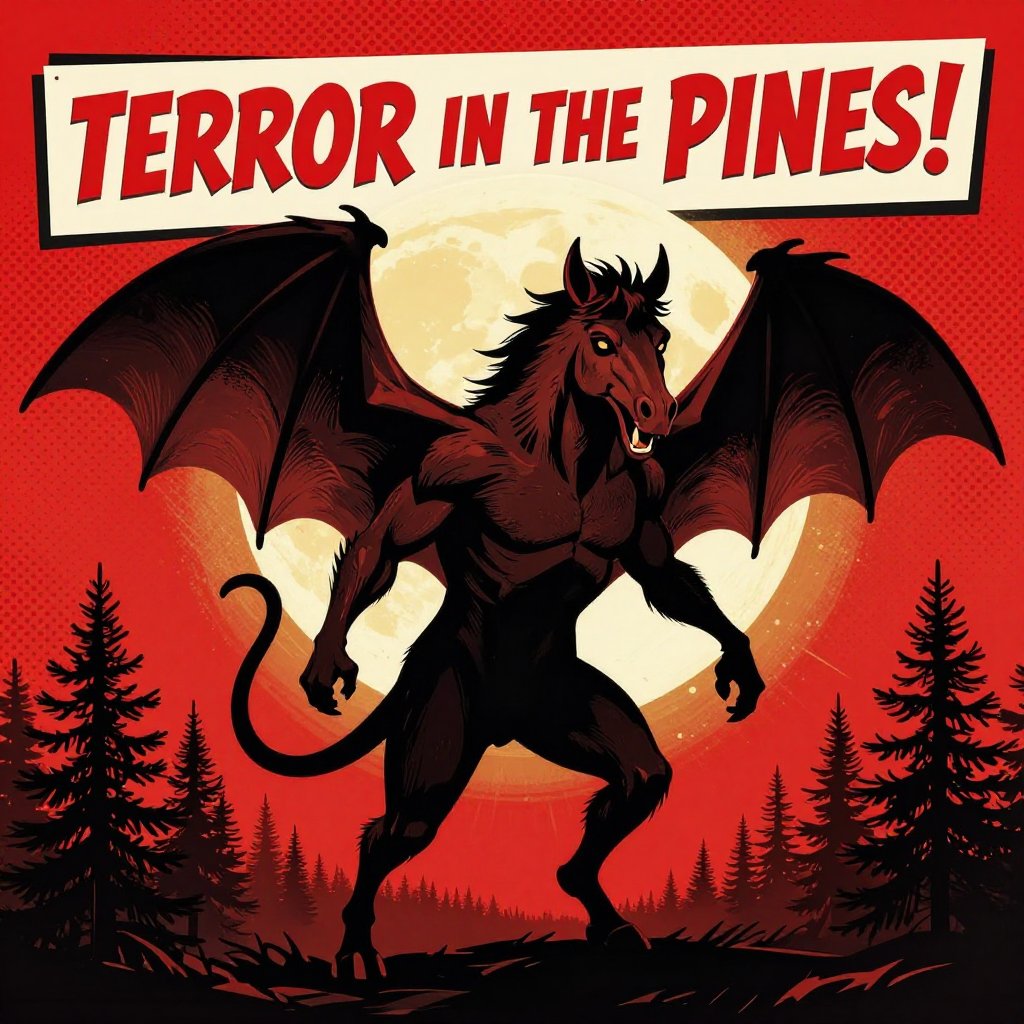
As the story goes, she cursed the child during labor. "Let it be the devil," she said, or something to that effect. The baby was born normal. Then it changed. It grew hooves, bat wings, a forked tail, and the head of a goat or a horse, again depending on the version. It shrieked, killed the midwife (in some tellings), flew up the chimney, and disappeared into the Pine Barrens. The remaining twelve Leeds children presumably had questions.
The Barrens
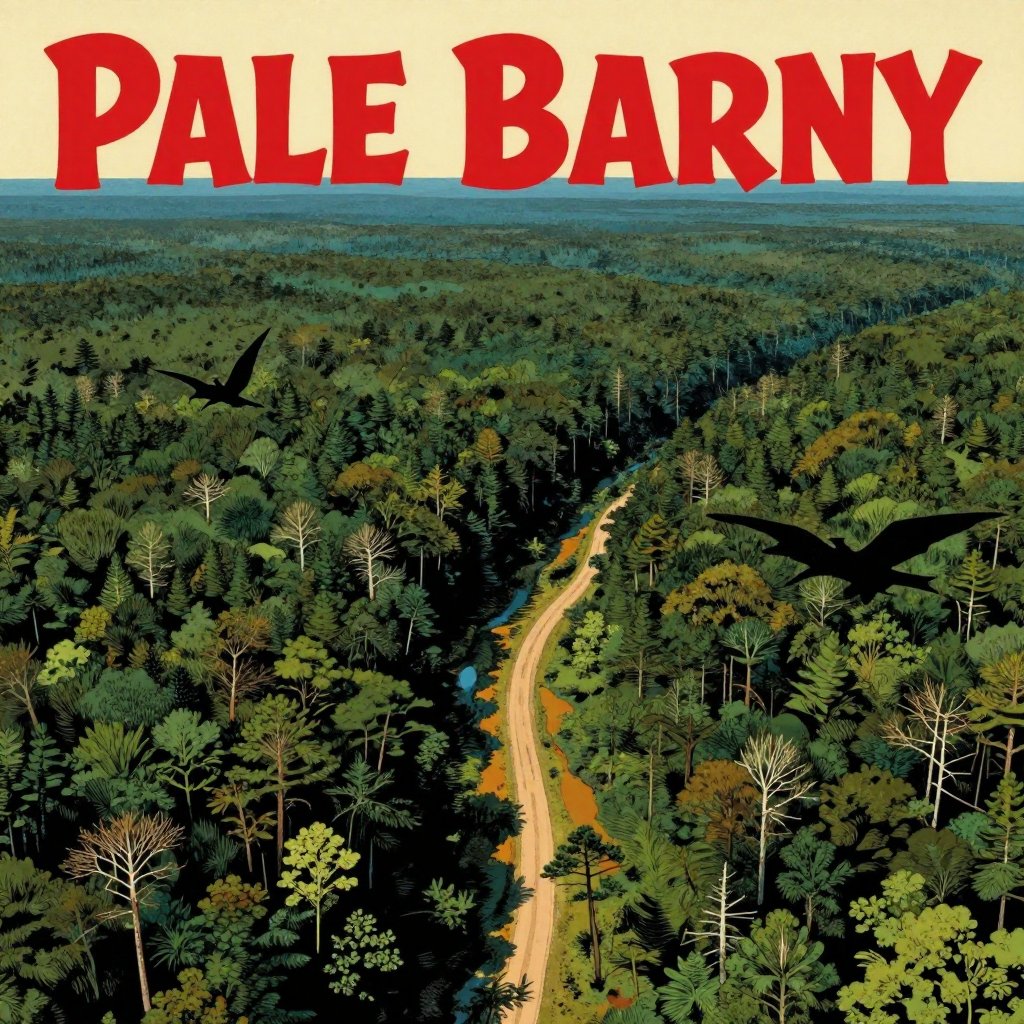
The Pine Barrens cover over a million acres of southern New Jersey. They are dense, sandy, and dark. The soil is acidic. The trees are pitch pines and scrub oaks. The water in the streams runs the color of tea from cedar tannins. It is beautiful in a way that makes you want to leave before sunset.
This is the Jersey Devil's home territory. For nearly three centuries, residents of the Pine Barrens have reported encountering a winged creature in the forest. The reports are remarkably consistent: a bipedal creature about three to four feet tall, with bat-like wings, hooves, and a piercing scream. It is seen near water, near farms, and near people who wish they had not gone outside.
The Week of January 1909
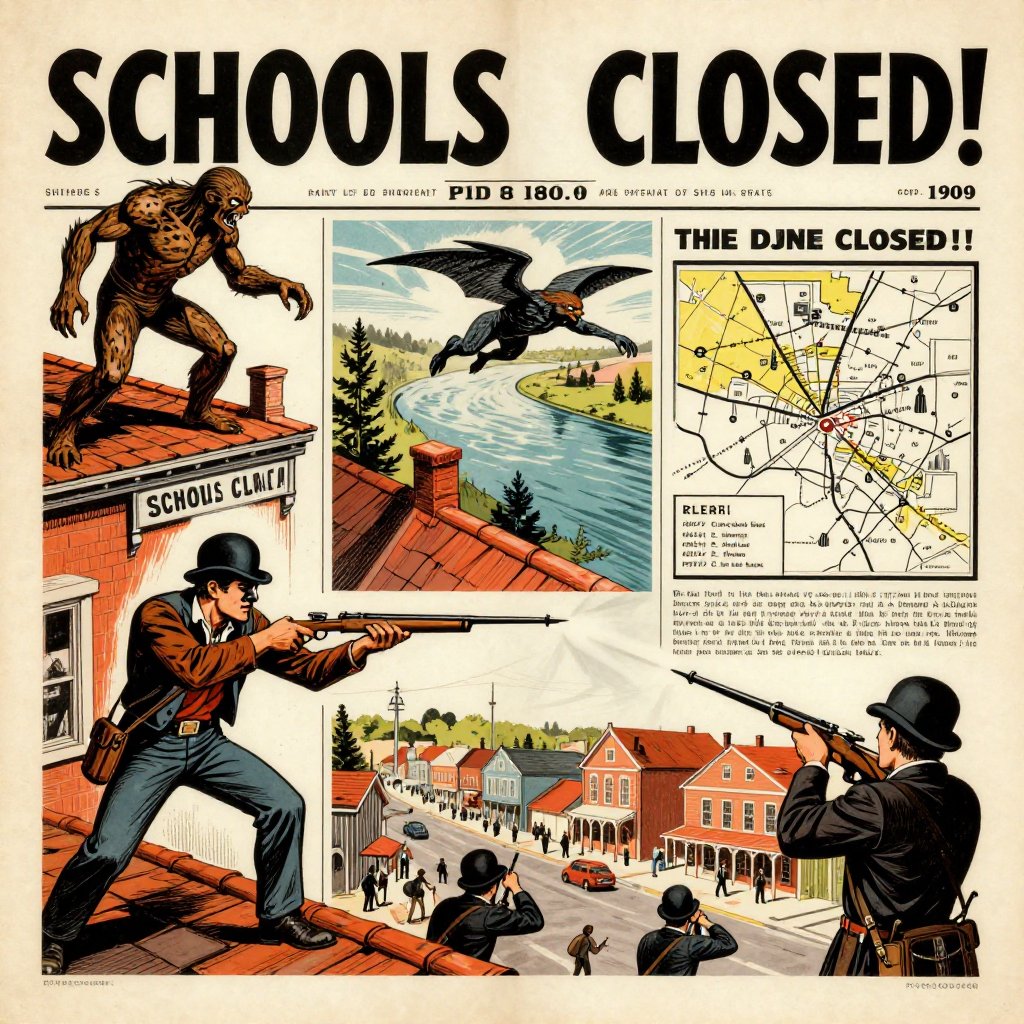
The Jersey Devil's most famous appearance was not a single sighting but an epidemic. During the third week of January 1909, hundreds of people across southern New Jersey and the Philadelphia area reported encounters. The creature was seen in at least 30 towns in a seven-day period.
In Camden, a social club fired at the creature and reportedly hit it. It flew away. In Gloucester City, it was seen on a rooftop. In Bristol, Pennsylvania, it was spotted flying over the Delaware River. Schools closed. Workers refused to leave their homes. The Philadelphia Zoo offered a $10,000 reward for its capture. No one collected. The hysteria lasted a week, then stopped as suddenly as it started. The creature went back to the Barrens. Everyone else went back to pretending it did not exist.
The Usual Suspects
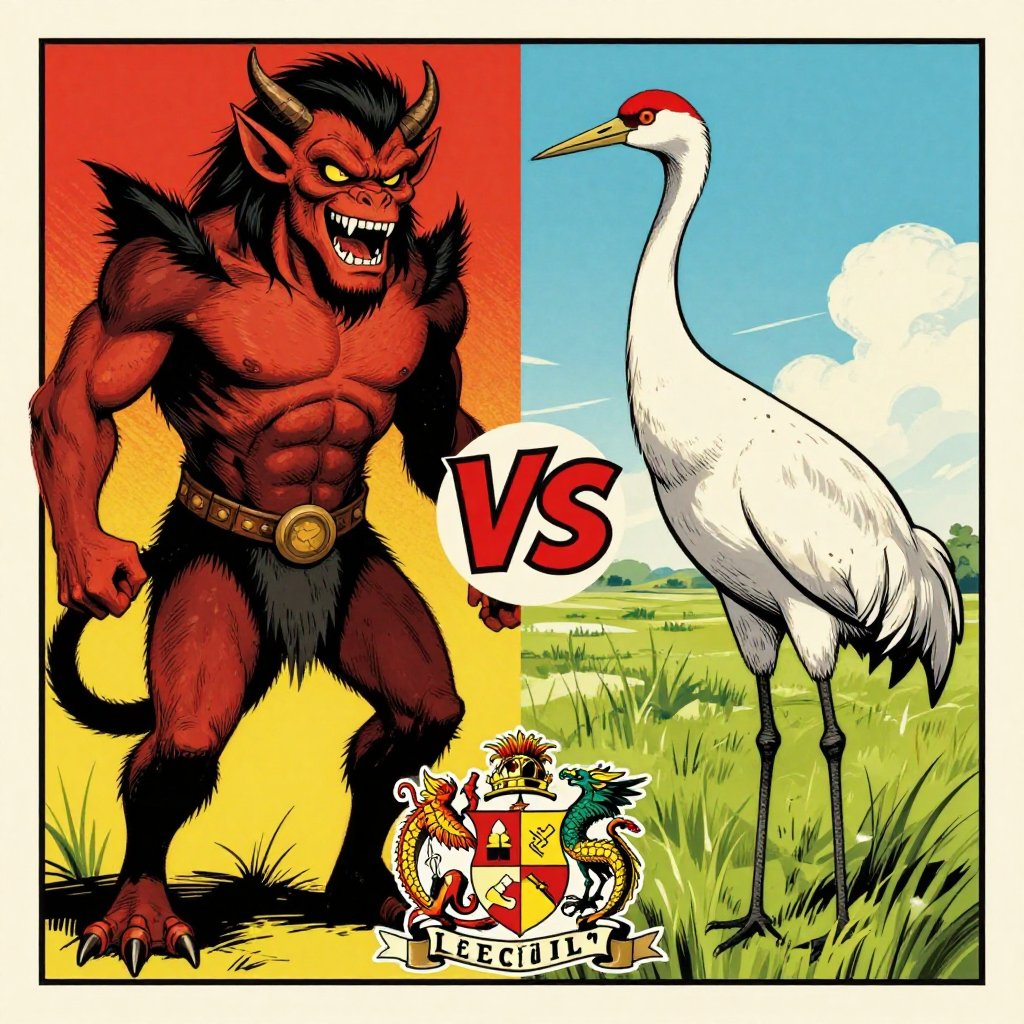
Explanations for the Jersey Devil have been offered by scientists, historians, and people at bars. The most common: it is a sandhill crane. Sandhill cranes are large, can stand five feet tall, have a wingspan of six to seven feet, and make a sound that is deeply unpleasant. They are, objectively, creepy birds.
Others have suggested the legend originated with political satire. Benjamin Franklin's rival Daniel Leeds published almanacs in the late 1600s that were condemned by Quaker leaders as un-Christian. The Leeds family crest featured a wyvern, a dragon-like creature. Over time, the despised Leeds name and their dragon crest may have merged into "the Leeds Devil," which eventually became the Jersey Devil. This is the kind of origin story that requires footnotes, which makes it more likely to be true.
The Brand

The Jersey Devil is one of the few cryptids to become an official state mascot. Not officially, of course. New Jersey's actual state animal is the horse. But the Jersey Devil appears on more bumper stickers.
The NHL's New Jersey Devils took their name from the creature in 1982, after a fan contest. The team has since won three Stanley Cups, which is three more than the creature has won anything. The Pine Barrens themselves are now a National Reserve, and the Jersey Devil is its unofficial ambassador: feared, respected, and responsible for a significant amount of regional tourism that no one wants to quantify.
Still in the Barrens
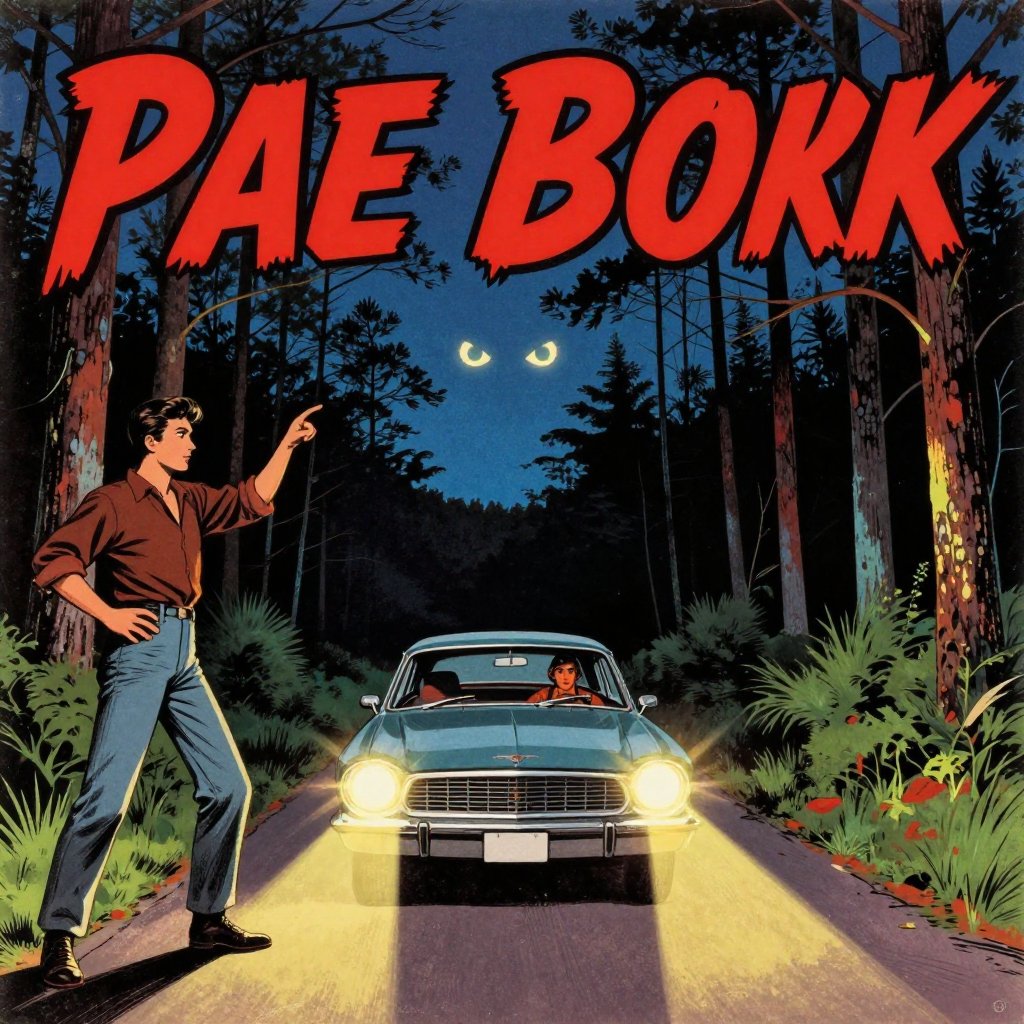
The Pine Barrens have not changed much since 1735. The pines are still dense. The water is still dark. The roads that cut through the forest are still the kind of roads where your headlights feel inadequate.
People still report seeing things. A shape between the trees. A sound that is not quite an owl and not quite a crane and not quite anything they can name. The Jersey Devil is New Jersey's oldest story, predating the state itself by 52 years. It was here before the turnpike, before the diners, before the boardwalks. It will probably be here after. Some things about New Jersey never change, and the Devil is one of them.
Field Notes
- The Jersey Devil legend dates to at least the 1730s, making it one of the oldest cryptid legends in the United States. The creature is sometimes called the Leeds Devil, after the Leeds family associated with the original story.
- During the week of January 16-23, 1909, hundreds of Jersey Devil sightings were reported across more than 30 towns in New Jersey and Pennsylvania. Schools and factories closed, and the Philadelphia Zoo offered a $10,000 reward for the creature's capture.
- The Pine Barrens (officially the New Jersey Pinelands) cover approximately 1.1 million acres of coastal plain in southern New Jersey. The area was designated a United States National Reserve in 1978 and a UNESCO Biosphere Reserve in 1983.
- The New Jersey Devils NHL team was named after the creature following a 1982 fan naming contest. The team relocated from Colorado (formerly the Kansas City Scouts and Colorado Rockies) and has won the Stanley Cup three times (1995, 2000, 2003).
- Historian Brian Regal of Kean University has proposed that the Jersey Devil legend evolved from political attacks on the Leeds family, particularly Daniel Leeds, whose astronomical almanacs were condemned by Quaker leaders and whose family crest featured a wyvern.
Dig Deeper
Want the facts behind the folklore? Explore the real history of the Jersey Devil, the Pine Barrens, and nearly three centuries of sightings.
Learn more about the Jersey Devil