The Goats

In March 1995, eight sheep were found dead on a farm in Moca, Puerto Rico. Each had been drained of blood through three small puncture wounds. No tracks. No signs of a struggle. The sheep appeared to have simply laid down and died, minus all of their blood.
Within weeks, reports spread across the island. Goats, chickens, rabbits, and other livestock were turning up dead with the same signature: puncture wounds, blood loss, minimal external damage. Whatever was doing this had a very specific method. It also had a very specific diet. Puerto Rican farmers began calling it "El Chupacabra." The goat-sucker.
The Witness
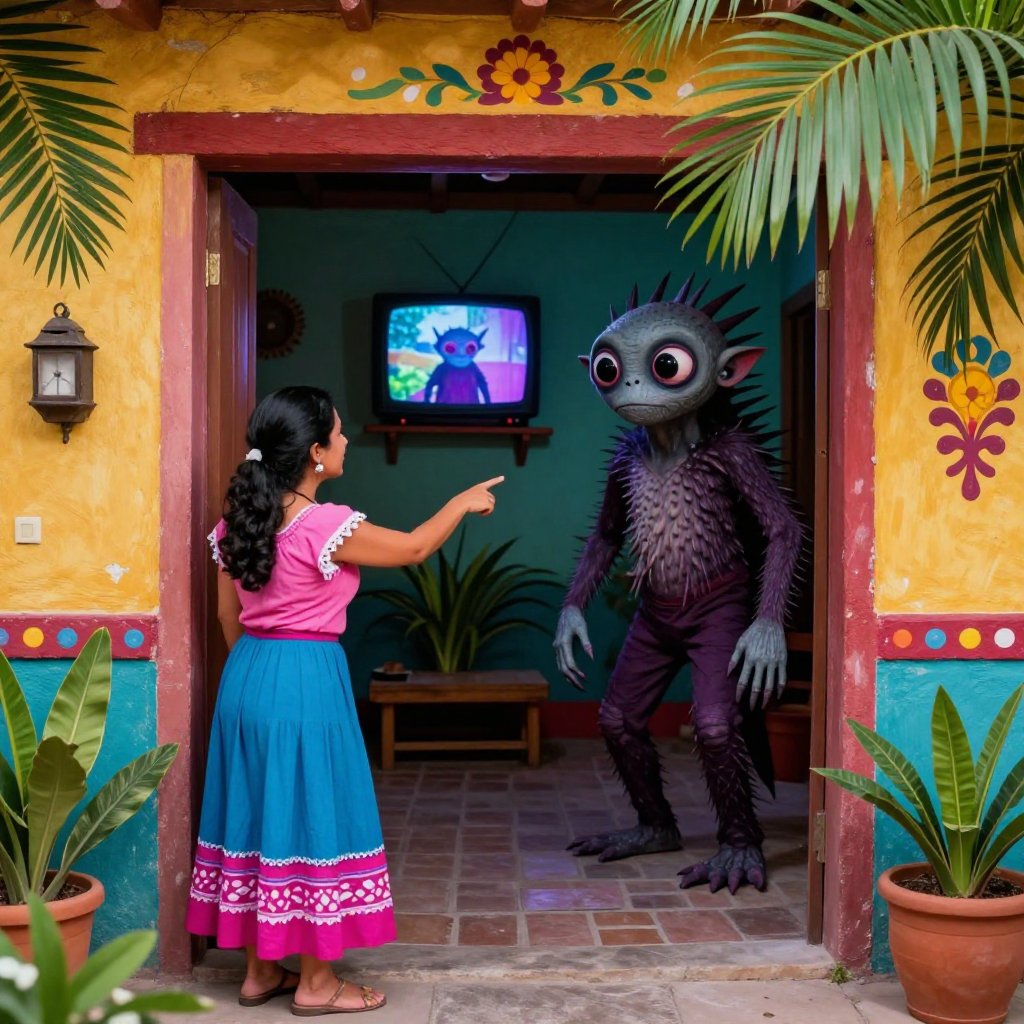
The first detailed eyewitness account came from Madelyne Tolentino of Canovanas, Puerto Rico, in August 1995. She described a creature about four feet tall, with large, dark eyes, gray skin, and spines running down its back. It moved on two legs. It did not look friendly.
Her description became the standard Chupacabra template, reproduced in newspapers, television segments, and eventually on t-shirts. Researcher Benjamin Radford later noted that her description closely resembled the alien creature from the 1995 film "Species," which Tolentino had seen shortly before her sighting. This is either a coincidence or proof that Hollywood's creature design department is better than anyone gives them credit for.
The Migration
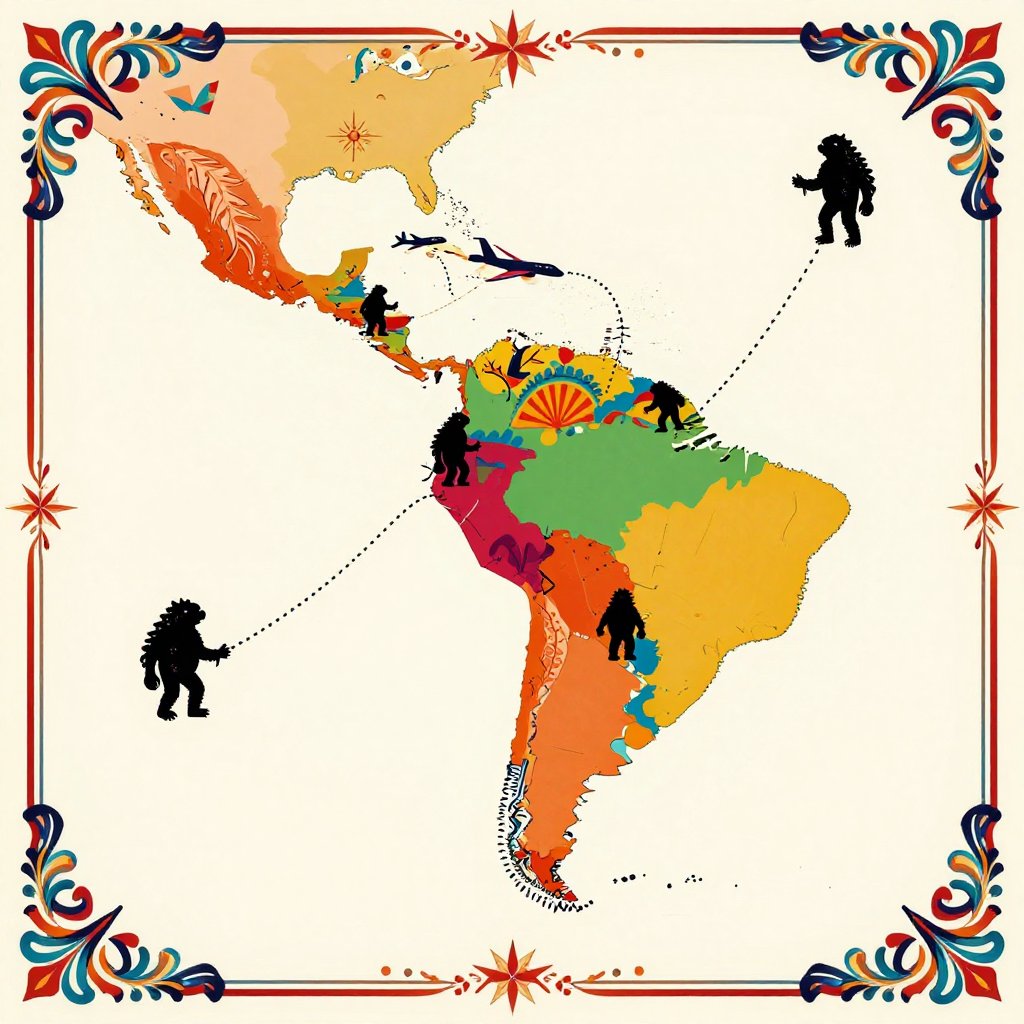
By 1996, the Chupacabra had gone international. Reports surfaced in the Dominican Republic, Argentina, Bolivia, Chile, Colombia, Honduras, El Salvador, Nicaragua, Panama, Peru, Brazil, and the United States. The creature had apparently discovered affordable air travel.
Each region developed its own version. In Puerto Rico, it was bipedal with spines. In Texas, it was more of a hairless dog. In Chile, it was somewhere in between. The Chupacabra was becoming a cultural Rorschach test: every community saw the monster it expected to see. The only consistent detail was the dead goats.
The Suspects
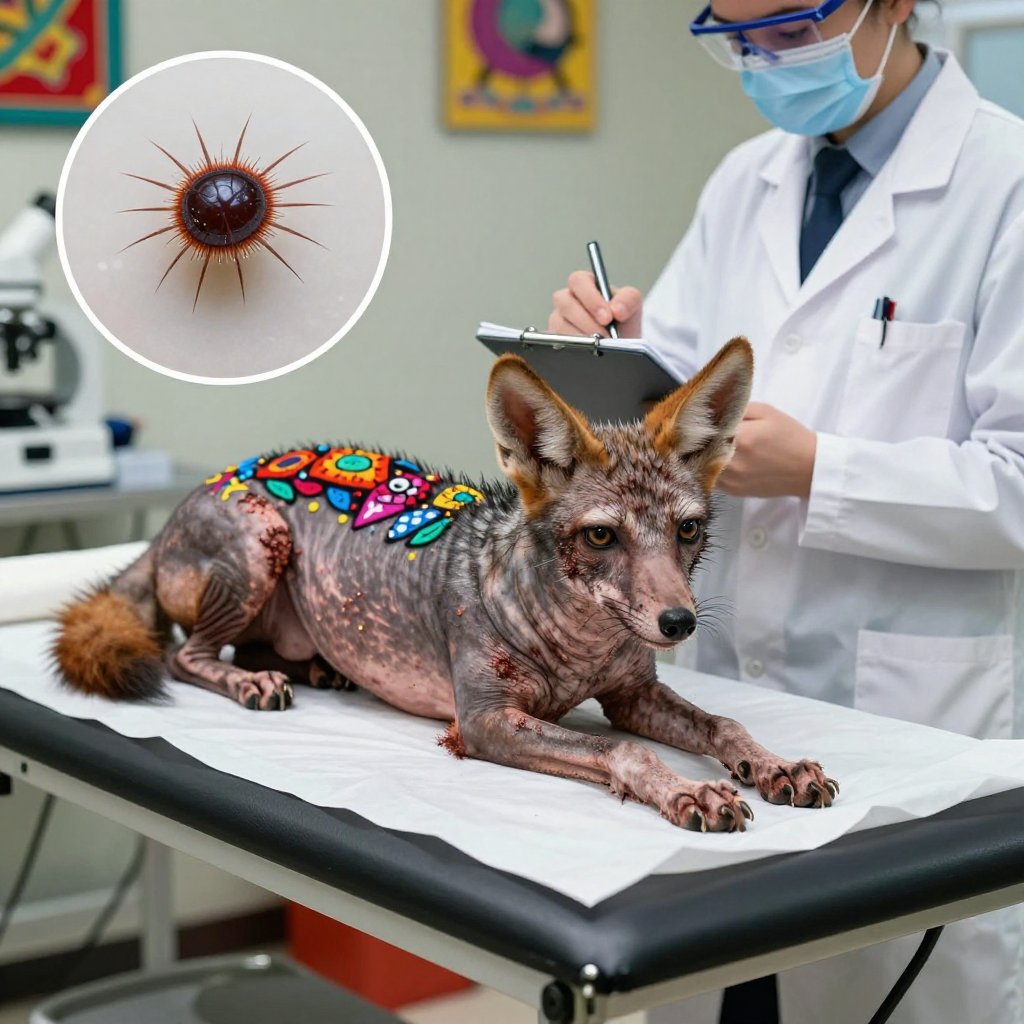
In 2010, University of Michigan biologist Barry O'Connor examined several "Chupacabra" carcasses found in Texas. They were coyotes. Specifically, they were coyotes with severe sarcoptic mange, a parasitic skin disease that causes fur loss, thickened skin, and a generally monstrous appearance. A mangy coyote, O'Connor noted, looks exactly like nothing you have ever seen and everything you have always feared.
The mange explanation covers the hairless, dog-like Chupacabra sightings in the American Southwest. It does not explain the original Puerto Rican reports of a bipedal, spined creature. It also does not explain the puncture wounds or the blood loss. But science rarely explains everything at once. That is what second papers are for.
The Cultural Moment

The Chupacabra arrived at the perfect time. The mid-1990s were peak paranormal culture: The X-Files was the most popular show on television, the internet was making it easy to share strange stories, and Latin American media was experiencing a boom in tabloid journalism.
The creature became a cultural phenomenon that transcended its livestock origins. It appeared in television shows, video games, comic books, and at least three horror films of varying quality. In some communities, it became a folk figure, a modern boogeyman with roots in something older. The Chupacabra was not just a monster. It was a story people wanted to tell.
Still Sucking

Reports of Chupacabra attacks continue. In 2018, livestock deaths in Nicaragua were attributed to the creature. In 2019, similar reports came from the Philippines. Every few months, someone finds a strange hairless animal on the side of a road in Texas and the internet briefly loses its mind.
The Chupacabra will probably never be definitively explained. It occupies a comfortable space between wildlife misidentification, cultural mythology, and the universal human experience of finding something dead and not knowing what killed it. Somewhere right now, a goat is standing in a field, completely unaware that it is the most sought-after prey of a creature that may or may not exist. The goat does not seem worried. Goats rarely do.
Field Notes
- The Chupacabra legend originated in Puerto Rico in 1995, with the first reported attacks occurring in the town of Moca. The name translates literally to "goat-sucker" in Spanish.
- Researcher Benjamin Radford spent five years investigating the Chupacabra and published his findings in "Tracking the Chupacabra" (2011). He traced the original eyewitness description to similarities with the alien creature Sil from the 1995 film "Species."
- University of Michigan biologist Barry O'Connor identified multiple alleged Chupacabra carcasses as coyotes suffering from sarcoptic mange (Sarcoptes scabiei), a parasitic condition that causes hair loss and severe skin thickening.
- The Chupacabra has been reported in at least 15 countries across the Americas, from the United States to Argentina, with the highest concentration of reports in Puerto Rico, Mexico, and the American Southwest.
- In Canovanas, Puerto Rico, Mayor Jose "Chemo" Soto organized armed citizen patrols in 1995 to hunt the Chupacabra after over 150 farm animals were reportedly found dead with puncture wounds and blood loss.
Dig Deeper
Want the facts behind the folklore? Explore the real history of the Chupacabra, from Puerto Rico to the world.
Learn more about the Chupacabra